Biology
Scientists use AI to create viruses not found in nature, simultaneously raising alarms, enthusiasm
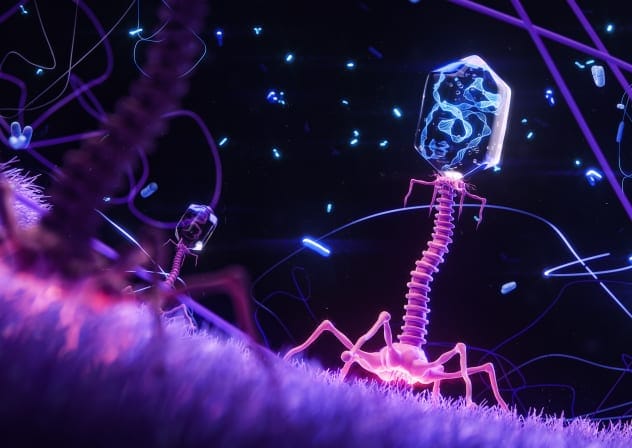
The viruses created in the Stanford Lab are bacteriophages, which exclusively target bacteria and may pose a solution to the rising global problem of antibiotic-resistant infections.

Trump administration works to strengthen defenses against potential AI bioattacks - report

Searching for hope in an age of extinction

Israeli students earn 13 medals, including five gold, at global Science Olympiads
Microbiome may influence the health of some people diagnosed with autism
A collaborative study involving Israel, the US, Europe, Ecuador, Russia, and China reveals promising insights into the gut-brain axis in autism spectrum disorder.

Step this way: When did humans learn how to walk upright? - study
Through digitally recreating the muscles of an early human ancestor, research has shed new light on how humans evolved to walk upright.

What advantages did curly hair give to our early human ancestors?
Life before air conditioning: Curly hair kept early humans cool and protected early humans from the sun’s radiative heat.
