Biology
Scientists use AI to create viruses not found in nature, simultaneously raising alarms, enthusiasm
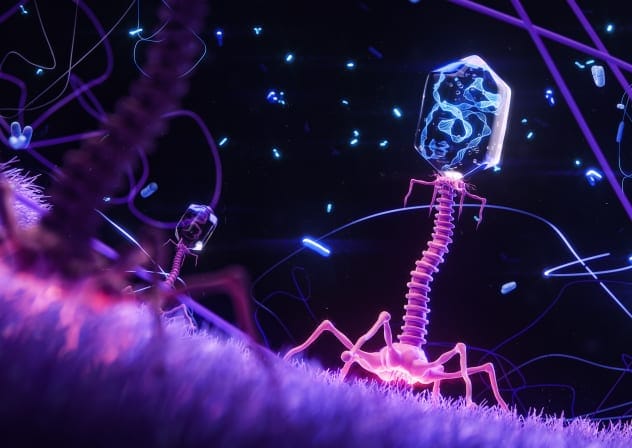
The viruses created in the Stanford Lab are bacteriophages, which exclusively target bacteria and may pose a solution to the rising global problem of antibiotic-resistant infections.

Trump administration works to strengthen defenses against potential AI bioattacks - report

Searching for hope in an age of extinction

Israeli students earn 13 medals, including five gold, at global Science Olympiads
Eucalyptus leaves for koalas are causing harm to the ecological balance in the Negev
Hebrew University researchers recommend that reforestation efforts give priority to species with minimal damage to the environment

Israel research identifies harmful biomass posing risk of infections to animals, humans
Those tiny organisms, found everywhere on the Earth’s surface, are also important in influencing various processes, including soil health and pollutant decomposition.

Israeli researchers measure interaction between immune cells and cancer cells
A new technology developed at Bar-Ilan University will help oncologists and other medical professionals to determine the best way to treat patients.

What causes bookworms to digest old books?
The same thing that attracts silverfish to old books causes celiac disease, say scientists.

Self-dyeing, plastic-free vegan leather can be grown from bacteria, study shows
Their new process could also theoretically be adapted to have bacteria grow materials with various patterns and vibrant colors and to make more sustainable alternatives to other textiles.

TAU researchers explain how viruses decide whether to become good or bad
In an arms race between bacteria and viruses, the submicroscopic infectious agents improve their decision making by adopting defense systems built against them

U of Haifa finds 'groundbreaking discovery' in Parkinson's research
A new study undertaken at the University of Haifa has, for the first time, found a connection between PD and the ECM in the brain.

The bunny and the hourglass model: A new technique tracks earliest stages of embryonic development
An innovative Weizmann Institute technique for tracking the earliest stages of embryonic development is applied for the first time in rabbits.

Weizmann Inst. develops first ‘cellular time machine’ to measure body changes
researchers at the Weizmann Institute of Science in Rehovot have developed the first technique to measure cellular changes in the body over time.

Emojis don't reflect natural biodiversity, biologists complain
The researchers say that having access to biodiverse emojis is not just for sending jokes to each other, but crucial for online discussions of biodiversity and conservation.
