Biology
Scientists use AI to create viruses not found in nature, simultaneously raising alarms, enthusiasm
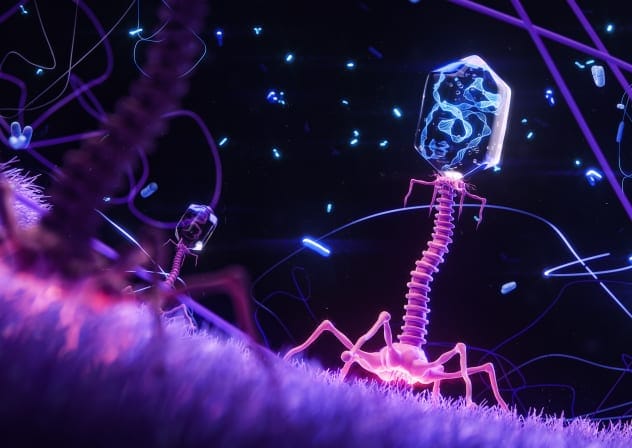
The viruses created in the Stanford Lab are bacteriophages, which exclusively target bacteria and may pose a solution to the rising global problem of antibiotic-resistant infections.

Trump administration works to strengthen defenses against potential AI bioattacks - report

Searching for hope in an age of extinction

Israeli students earn 13 medals, including five gold, at global Science Olympiads
Video von 8 m langer und 200 kg schwerer Grüner Anakonda im Amazonas wird Ihnen den Atem rauben
„Wir haben entdeckt, dass es sich bei den Grünen Anakondas eigentlich um zwei Arten handelt“, verkündete der leitende Forscher.

Study finds wolves may have self-domesticated into dogs near human settlements
Researchers used mathematical models to show wolves could have turned into dogs by scavenging near human settlements over 15,000 years.

Heatwaves could be adding years to your biological age, researchers warn
Long-term heat exposure increases biological age by up to 2.48 years, research shows.

TAU Unbound: Prof. Uri Ben-David is unlocking the secrets of cancer
WATCH: Prof. Ben-David shares the groundbreaking insights regarding cancer biology and treatment strategies.

TAU Unbound: Can saliva reveal PTSD?
WATCH: The groundbreaking discovery of Prof. (Emerita) Illana Gozes.

Zika virus turns human skin into a mosquito magnet, enhancing viral spread
Researchers find infected individuals produce more compounds that encourage mosquito bites.

Tal Zaks's Israeli startup targets rare genetic diseases
"This type of gene editing should also allow for the treatment of diseases whose origin is not genetic or whose origin cannot be identified in one particular gene," says founder Zaks

The Biological Will is a reflection of hope - opinion
This is our responsibility: to enable continuity, nurture hope, and ensure that the light of life shines brightly, even in the darkest times.

Did Donald Trump define all Americans as females in his executive order?
Scientifically, Trump's order puts everyone as women, given as at conception, all fetuses belong to the sex that produces the large reproductive cell.

Video of an 8-meter, 200-kilogram green anaconda in the Amazon will leave you breathless
‘We have discovered that green anacondas are actually two species,’ said the head researcher.
