Biology
Scientists use AI to create viruses not found in nature, simultaneously raising alarms, enthusiasm
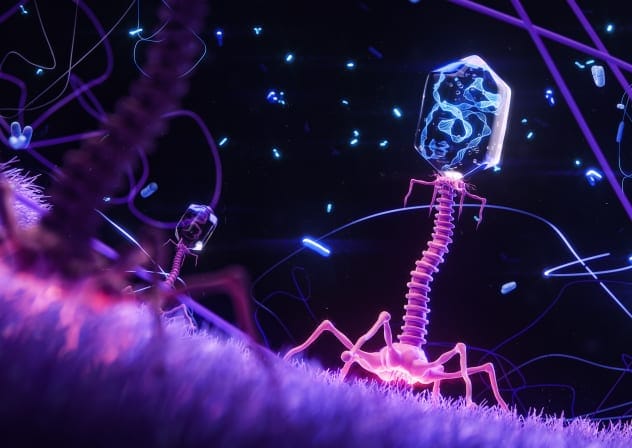
The viruses created in the Stanford Lab are bacteriophages, which exclusively target bacteria and may pose a solution to the rising global problem of antibiotic-resistant infections.

Trump administration works to strengthen defenses against potential AI bioattacks - report

Searching for hope in an age of extinction

Israeli students earn 13 medals, including five gold, at global Science Olympiads
The pattern of buds on your tongue is as unique as your fingerprint
Scottish researchers use AI and 3D images to study papillae

Bottlenose dolphins’ electric sense could help them navigate the globe
Dolphins could use their electric sense to navigate the globe by magnetic map.

Newly discovered autoimmune disorder disrupts tooth enamel development
Celiac disease in children might be associated with sensitivity to a protein abundant in dairy products.

New species of horny sponge discovered in French Polynesia
Quinn’s horny sponge has even been seen to include living animals and plants which continue to grow whilst being part of a symbiotic relationship with the sponge.

Biotech company aims to resurrect woolley mammoths in three years
Colossal lays out a ten-step process for how they will resurrect the Woolley Mammoth.

How did the first stages of evolution start? - study
The researchers found primitive cell-like membranes in hydrothermal vents, which may reveal how life began on unhospitable Earth.

New snake species discovered, named after Indiana Jones star
Harrison Ford, known for his role as Indiana Jones and his "Why did it have to be snakes?" catchphrase, now has a new species of serpent named after him.

This wasp can paralyze its victims for 8 months - TikTok biologist
Biologist Andrew Legan collected a tarantula that had been paralyzed by a hawk wasp to study the effects of the wasp’s venom on the arachnid.

Have you been having a bad hair day? Blame your genes
The study is the first gene-mapping study on human scalp hair whorls.

Do we need to change the definition of 'life' to find it among the stars?
As long as astronomists continue to search for life outside the borders of our world, biologists are forced to continue to reconsider the meaning of the word "life."
