Parashat Toldot: Choosing Jacob's path to redemption
Choosing Jacob’s path means refusing to settle for fighting evil alone. It means actively working to add goodness and to build a world of meaning.

Choosing Jacob’s path means refusing to settle for fighting evil alone. It means actively working to add goodness and to build a world of meaning.


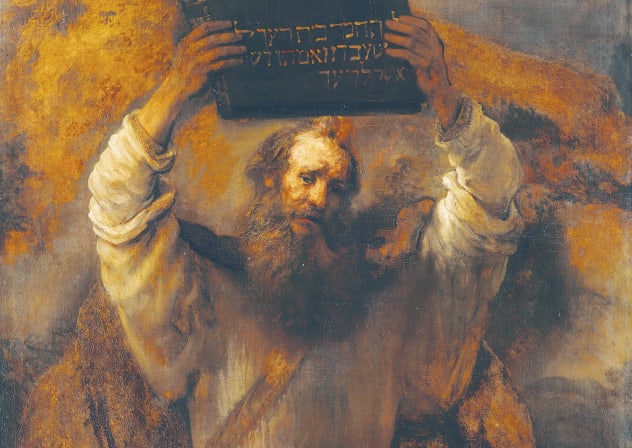
Moses shattered the Tablets, yet their fragments were preserved beside the new ones. Their message endures, what appears broken can still carry holiness, meaning, and strength.

Parshat Eikev teaches that the greatest threats to our values begin not with rejecting them, but with neglecting the small practices that keep them alive.
Isaiah declares, “Behold, the nations are as a drop from a bucket, and are regarded as the dust on the scales... All the nations are as nothing before Him” (Isaiah 40:15,17).

The Ten Commandments are not an independent list of fundamental principles, but rather the nucleus from which the entire Torah unfolds - its genetic code.
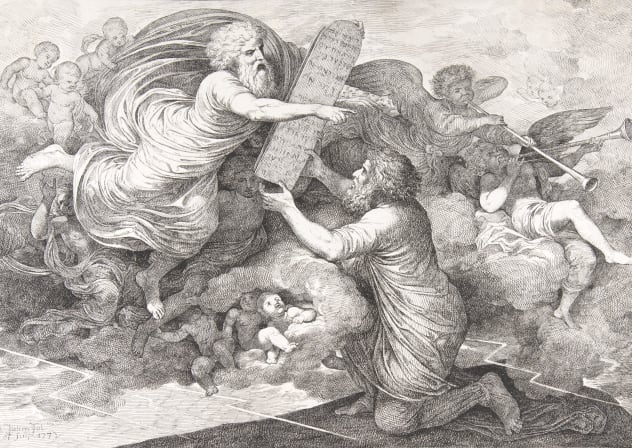
At Sinai, the people were instructed to remain outside the boundary. In the Sanctuary, the holiest place stood behind a curtain.

The Torah remains unchanged, yet its message can be expressed anew in the language, challenges, and circumstances of every generation.
Public debate has become louder, more bitter, and less capable of self-correction because opinions have hardened into identities.

The most important movement is not always what is visible externally, but what takes place within a person.

We often encounter people who seem to be pursuing the very same path on which we hope to succeed, and naturally, we may sometimes fear that their success will diminish our own opportunities.

The Three Weeks do not ask us to despair. They ask us to remember what we lost, why we lost it, and, above all, that God has never stopped remembering us.
