


Rosh Hashanah: The time to look inward and reveal what is unseen
Rosh Hashanah invites us to remove, even if only for a moment, the coverings that conceal us throughout the year, and to look inward, toward the place where our soul resides.

Parashat Nitzavim: Why we are all responsible for one another
In a world increasingly focused on personal success, Parashat Nitzavim reminds us that no one stands alone. Our fate is bound together, and we are responsible for one another.

Parashat Ki Tavo: The power of joy
Parashat Ki Tavo teaches that joy is not a luxury but a religious obligation, revealed through gratitude, generosity and serving God with a sincere and joyful heart.

Parashat Ki Tetze: Creating a deep bond and the secret of marriage
The relationship between a man and a woman is also, in a sense, a reflection of the relationship between a person and his Creator.

Parashat Shoftim: Wholehearted – and well
“Wholeheartedness is greater than wisdom, but great wisdom is required of a Jew before he reaches the level of ‘You shall be wholehearted with the Lord your God.’” - Rabbi Naftali of Ropshitz.

Parashat Re'eh: The choice to choose
Even those who observe Jewish tradition have areas of choice that they have already conquered, while their struggles lie elsewhere, each person according to their own level and circumstances.

Parashat Eikev: With respect for the past
Moses shattered the Tablets, yet their fragments were preserved beside the new ones. Their message endures, what appears broken can still carry holiness, meaning, and strength.

Parashat Va'ethanan: The positive within the negative
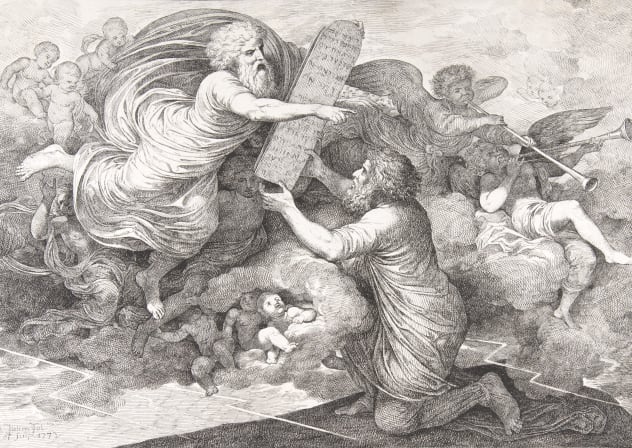
The Ten Commandments are not an independent list of fundamental principles, but rather the nucleus from which the entire Torah unfolds - its genetic code.
Parashat Devarim: Always relevant
The Torah remains unchanged, yet its message can be expressed anew in the language, challenges, and circumstances of every generation.
Parashat Matot-Masei: Slow and steady
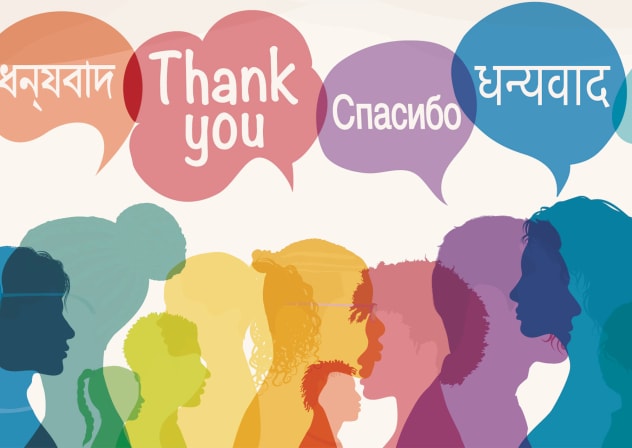
The most important movement is not always what is visible externally, but what takes place within a person.
