The world has been worrying that climate change will make it more difficult to raise crops to feed mankind. But little attention has been given to “hidden hunger,” in which people have plenty to eat of carbohydrates that can even cause obesity but lack vital vitamins and minerals.
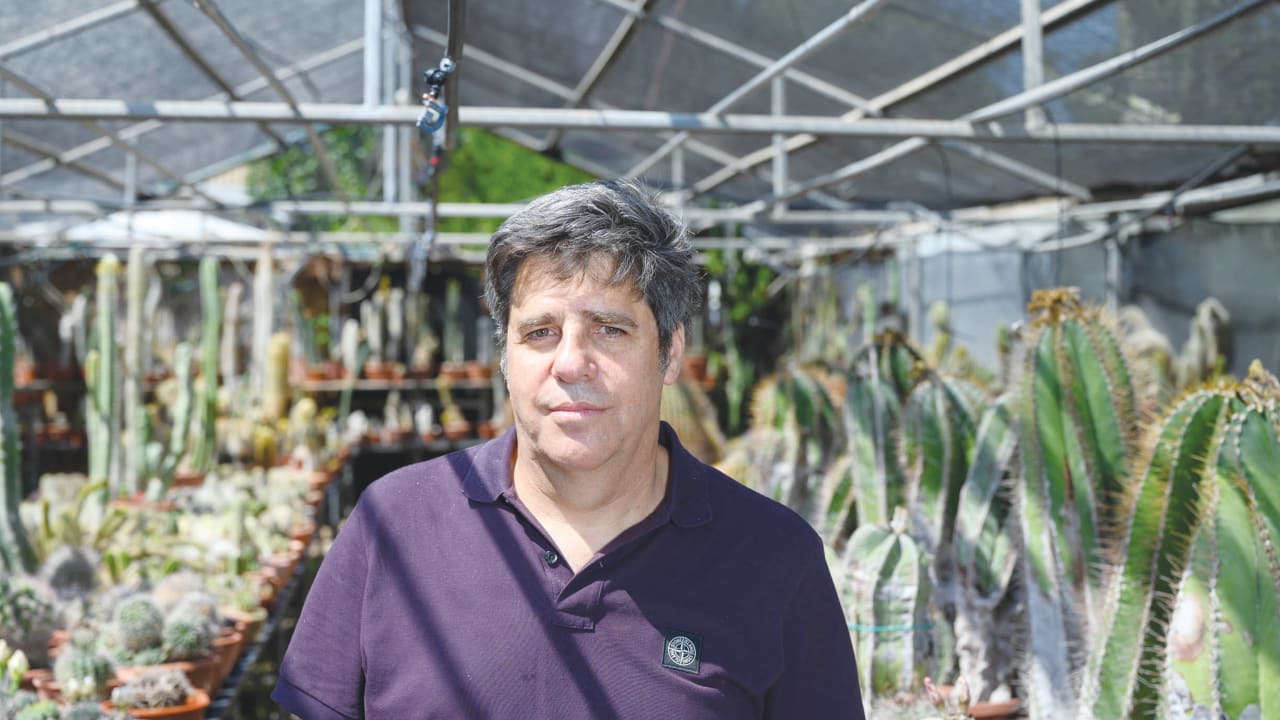
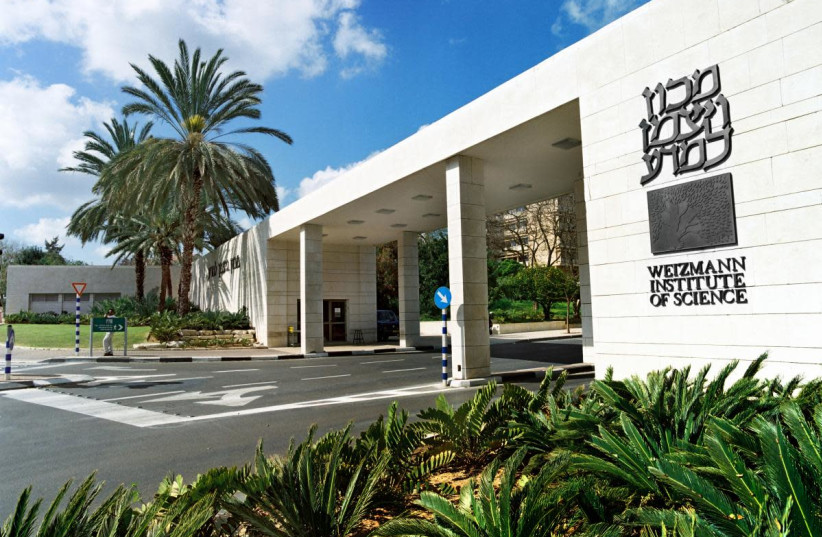
Climate change is speeding up the decline in important nutrients in our food, according to 15 leading researchers from four continents – including Prof. Asaph Aharoni of the plant and environmental sciences department at the Weizmann Institute of Science in Rehovot.
“This is not a distant threat to health,” he told The Jerusalem Post in an interview. “Already today, up to two-thirds of the world’s population does not get enough essential micronutrients – including folic acid, vitamin B2, calcium, iron, and iodine – from their diet, a situation that can lead to hidden hunger,” he added.
In addition, more than 700 million people suffer from actual hunger, lacking sufficient calories to meet their basic nutritional needs. To confront this growing global threat, the prominent scientists issued an urgent call to enhance the nutritional quality of the world’s food supply.
The initiative that included Aharoni was led by Prof. Dominique Van Der Straeten of Ghent University in Belgium and Prof. Alisdair Fernie of the Max Planck Institute of Molecular Plant Physiology in Germany.
In a comprehensive review published in the prestigious journal Nature under the title “Genetic technologies to enhance crop nutritional value under climate change,” the researchers presented a roadmap for protecting and improving the nutritional quality of crops in the face of climate change.
They advocated the use of advanced genetic technologies – including CRISPR gene editing – to increase the vitamin and mineral content of crops while also making them more resilient to a changing climate.
CRISPR-Cas, which allows genome editing with extremely high precision, has emerged as a groundbreaking breeding technology that has already been adopted by many countries.
The team studied CRISPR-Cas-based approaches that could be used to achieve biofortification targets by enhancing micronutrient densities to the levels necessary to reduce dietary vitamin and mineral deficiencies.
Given the limited time frame available to achieve zero hunger, they argued that CRISPR-Cas technologies should be combined with metabolic engineering based on transformation and other technologies, they stressed.
The researchers also considered untapped resources beyond metabolic pathways and current CRISPR-Cas techniques to deal with one of the most important societal issues of the 21st century.
From an agricultural viewpoint, they named three major objectives that need to be worked towards simultaneously to achieve zero hunger: enhanced yield, higher vitamin and mineral density to sustain recommended daily intake, and enhanced climate-change resilience.
Although the Green Revolution increased global calorie production, it worsened hidden hunger by giving priority to higher yields over nutritional quality. Stress from global climate change has been shown to reduce the densities of several micronutrients.
Aharoni, who earned his first two degrees at the agriculture faculty of the Hebrew University of Jerusalem in Rehovot, completed his doctorate at the University of Wageningen, the Netherlands, which is recognized as the world’s leading institution for agricultural and forestry sciences – driving innovation in sustainable food systems, plant sciences, and the environment.
He has launched eight startups in the agriculture field.
Who this will affect
The study is very timely, said Aharoni, because just a few weeks ago, the European Union formally approved new regulations for gene-edited crops, referred to as New Genomic Techniques (NGTs). This marks a major shift from strict, traditional genetically modified organism (GMO) rules.
The legislation divides gene-edited plants into two categories, streamlining the approval process for crops with targeted edits that could occur naturally.
The first category includes plants featuring limited genetic edits (such as those that could occur through conventional breeding or mutation). They will no longer be subjected to the strict regulations of traditional GMOs, and once verified, they will be treated like conventional plants, meaning they do not require special labeling.
The second category includes plants with more complex genetic modifications that will remain subject to the EU’s existing, stringent GMO legislation and safety assessments. They updated the regulations to help farmers adapt to climate change and reduce pesticide reliance by cultivating pest- and drought-resistant crops.
“Minerals and vitamins,” said Aharoni, “could be added using CRISPR and genetic engineering, or only with genetic engineering. Drought is the main climate-change event that reduces the levels of vitamins and minerals inside crops, but higher carbon dioxide and heat can also be factors. If current trends continue and the action that we recommended is not taken, there will be a lot of hidden hunger.”
People in poor countries will be affected. “So will children who don’t get enough vitamin A, pregnant women who lack folic acid, and large groups that don’t get enough vitamin D, which isn’t well absorbed from pills or drops but is better absorbed from food,” he continued.
Aharoni guessed that if European crops are boosted nutritionally and approved, they could be imported or grown in Israel and available in supermarkets in the next three to five years.
If he had unlimited funding, the first research project he would carry out would be genetic engineering of all vitamins.
“We have a lot of ideas, but because of antipathy to Israel around the world, it’s harder to get grants or cooperation with other research institutes,” he said. “The EU has placed sanctions on us, and consortia in Belgium or Spain, for example, don’t want to include us.”
Many in the general public still don’t believe that the climate is changing for the worse and will affect the growth of crops and their nutritional value. “We need increased funding to persuade them,” Aharoni concluded. “We have to raise their awareness.”
The Environment and Climate Change portal is produced in cooperation with the Goldman Sonnenfeldt School of Sustainability and Climate Change at Ben-Gurion University of the Negev. The Jerusalem Post maintains all editorial decisions related to the content.