Weizmann Institute of Science
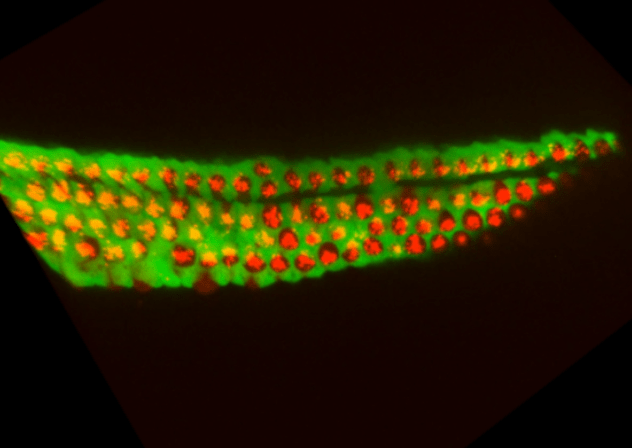
Breakthrough Israeli study finds potential path to reversing hearing loss
The researchers identified a unique biological mechanism that could enable the regeneration of sensory hair cells in the inner ear – a process previously thought to be impossible in humans.

Israeli, Czech scientists recreate COVID-19’s evolutionary journey in a test tube

Q-Factor emerges as Israel’s latest quantum computing developer with $24 million seed investment

Weizmann Institue, NASA discover Jupiter is smaller and flatter than previously believed
Despite war, Israeli universities rise in global rankings, Hebrew University placed highest
Five out of nine Israeli universities have improved in this year’s rankings, while the Hebrew University of Jerusalem (HU) has come out on top, ranking 66th in the quality of its faculty.

Weizmann Institute to open medical school amid doctor shortage
For years, the Health Ministry has been trying to increase the number of students studying medicine in Israel. The Weizmann Institute has taken initiative.

The stars align: Israeli researchers track a supernova in real time
Weizmann scientists chronicle the earliest stages of a supernova.

A star is dead: Scientists watch supernova in real time - study
Scientists at Israel's Weizmann Institute of Science got lucky and managed to spot a star in a nearby galaxy go supernova, able to make a portrait of the star's last days.

The bunny and the hourglass model: A new technique tracks earliest stages of embryonic development
An innovative Weizmann Institute technique for tracking the earliest stages of embryonic development is applied for the first time in rabbits.

Weizmann Institute team finds new insight to pituitary disorders
There’s a new Weizmann Institute hypothesis on your hypophysis (pituitary gland)

Researchers find new way to make animal antibodies safe for humans
Weizmann Institute of Science researchers present a new algorithm to greatly speed up the process of engineering therapeutic proteins to protect against diseases

Weizmann Inst. develops first ‘cellular time machine’ to measure body changes
researchers at the Weizmann Institute of Science in Rehovot have developed the first technique to measure cellular changes in the body over time.

Exposure to tears leads to lower aggression in males - study
Weizmann Institute researchers: Women have a powerful weapon in their eyes against men’s aggression

Why people with diabetes are more prone to respiratory risk - study
New Weizmann Institute study reveals how high blood sugar makes lung infections worse.
