Sukkot
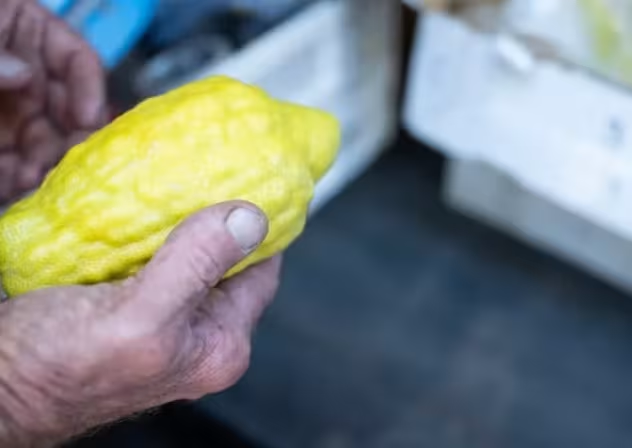
America’s only major etrog grower is in survival mode amid global competition
The Kirkpatrick family, who are not Jewish, began growing etrogs 46 years ago on a small California ranch. Now, they are the only major commercial growers of kosher etrogs in the United States.
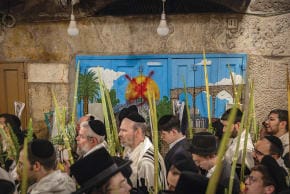
Shmini Atzeret haftarah: The Temple Mount is no longer silent

How do we celebrate Sukkot and Simchat Torah after Oct. 7?

Ben-Gvir’s latest death penalty rhetoric borrows from an ancient Machiavellian Playbook - opinion
How Israel can heal and remember October 7 two years later - editorial
The national October 7 commemoration ceremony was heartbreakingly beautiful, engaging, poignant, and everything a ceremony of this kind should be.

In Israel, a struggle to reconcile grief and joy as Sukkot and Oct. 7 coincide
“I can’t separate from the fact that it happened on Shabbat and also such a joyous festival, Simchat Torah. [Hamas] took that from us forever," reflected an Israeli woman.

Is citron jam really good for fertility? A dietitian reveals
There are quite a few myths about the citron that come from old traditions, but are they true? What is really hidden in this unique fruit?

Israel's Christian friends have no qualms about standing by the Jewish people - editorial
Thousands of Christian pilgrims have arrived for the Feast of Tabernacles, showing no hesitation in supporting Israel during these trying times.

Sukkot and the canopy of peace - opinion
Sukkot reminds us that the sukkah stands only because each beam supports the others.

A mindful Sukkot: Finding peace in the present moment
As you step into the sukkah, or pause anywhere in your day, may you discover that joy is not distant or elusive. It is here, waiting, in the present moment.

Commemorating October 7, celebrating Sukkot: A complicated 'time of happiness' - opinion
As we commemorate October 7, 2023, we can spiritually invite into our sukkah those who were murdered and those who were injured; those who were taken hostage and and those who still are being held.

Sukkot after Oct. 7: A sign of our humility and trust in God
The sukkah reminds us that we are not so powerful. We must be humble and remember that everything we eat, everything we own, and our military successes all depend on God.

How a small town ‘Jewish hut’ has turned Sukkot into a cross-cultural shelter of peace - opinion
The Waterville Jewish community and the Center for Small Town Jewish Life have chosen a unique response to this moment of increased Jewish vulnerability and alienation.

IDF on highest-level readiness for Sukkot holiday
“We are at constant readiness, prepared across all arenas for defense and offense," said IDF Chief of General Staff.
