Research
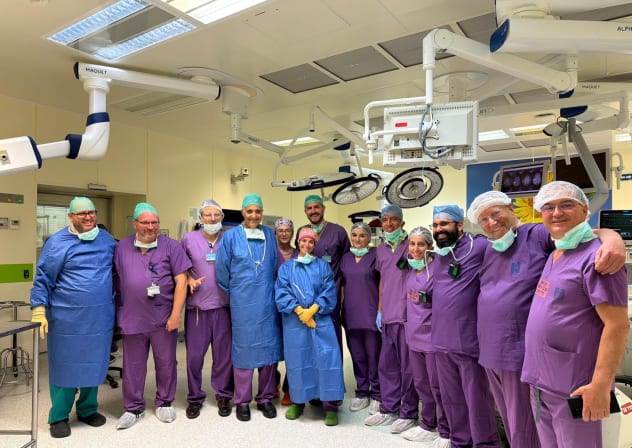
Jerusalem hospital performs first-ever alpha radiation treatment for recurring brain tumors
The technology, which emits highly bioefficient alpha particles that deliver concentrated radiation, was developed in collaboration with the Sharett Institute of Oncology and ALPHA Tau.

Pentagon demands audit of 30 universities, investigating Russian, Chinese, Iranian research ties

SIL204 treatment may help immune system attack KRAS-driven tumors, research finds - exclusive

Does smoking outside protect your children from cigarette smoke? Israeli study says no
New AI-powered research project aims to uncover the origins of the Dead Sea Scrolls
Research methods will include state-of-the-art chemical, artificial intelligence, paleographical, and codicological analysis of approximately 250 samples of the scrolls from the IAA's collection.

Study: "Israel’s Basket" led to a wave of price increases
A new study discovered that while the prices of the basket products at Carrefour plunged by 35%, a widespread wave of price increases of up to 14% was simultaneously recorded in parallel categories.

'Seniorland': Growing old in the world's largest retirement city - review
Prof. Galit Nimrod, an expert in communications at Ben-Gurion University of the Negev, left her family for two months in 2023 to immerse herself in the Villages’ experience.

Common painkillers are safe during pregnancy, don't raise birth defect risk, Israeli study finds
A large Ben-Gurion University of the Negev study challenges concerns over common painkillers in pregnancy, finding no link to birth defects.

Resurrecting Herodium: A royal desert fortress awakens After 2,000 years

New study: Possible link between weight-loss drugs and slowing cancer spread
A broad study found a link between the use of GLP–1 receptor agonists and a decreased risk of metastatic progression in four types of cancer.

Researchers were astonished by what happens to the body after 3 days without food
A new study tracked people who fasted for a week and revealed that the most significant changes in the body did not occur at the beginning of the fast at all, but only after days.

New study reveals: Why do most humans write with their right hand?
A new study published in the scientific journal PLOS Biology offers an explanation for a question that has accompanied scientists for decades: Why are about 90% of humans right-handed.

New study: Why we recognize faces but don't remember from where
Researchers discovered that the human brain stores information about people and the context in which we met them in separate systems that work together during memory retrieval.

Taking multiple medications together every day? You must read this
Nearly half of the world's older population takes five medications or more. Ostensibly – this is supposed to protect them. In practice – other things happen.
