Medical study
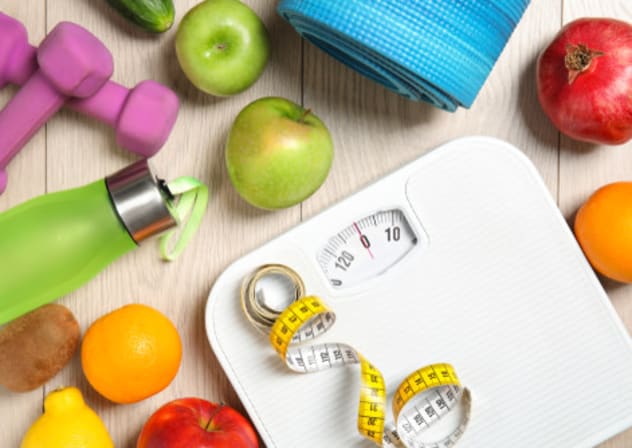
New study reveals: How do you maintain weight loss even after stopping a diet?
How do you maintain weight loss over time without committing to a strict diet? This study has an answer – and it is relatively easy to implement.

Israeli study: Viagra may help prevent the spread of cancerous tumors

SIL204 treatment may help immune system attack KRAS-driven tumors, research finds - exclusive

MDMA-assisted psychotherapy reduces PTSD in 80% of soldiers, Israeli study finds
Study finds 20-minute naps boost creative problem-solving
University of Hamburg researchers found that a 20-minute nap with deep N2 sleep boosts chances of creative breakthroughs and increases the likelihood of experiencing a true 'eureka moment.'

Frequent nightmares linked to accelerated aging and increased risk of early death
Study led by Abidemi Otaiku finds nightmares predict premature death more strongly than smoking or obesity.

Study Warns: TV may be disrupting your sleep cycles
Martínez Madrid warns that even brief exposure to light at night can fragment sleep and increase cardiovascular risks.

Study reveals alarming rise in appendix cancer among Millennials and Generation X
Rates of appendiceal adenocarcinoma have quadrupled among people born in 1985 compared to those born in 1945.

MHRA urges women on weight loss drugs to use birth control after reports of surprise pregnancies
Women are reporting unintended pregnancies despite contraceptive use while using weight-loss injections like ozempic.

Discovered: The gene mutation that lets you thrive on less sleep
The findings could help scientists find new drug targets for treating sleep disorders.

Overweight men more prone to depression from restrictive diets, new research shows
Study of 28,500 Americans finds men and those overweight may be especially vulnerable to negative effects of restrictive eating due to lack of essential nutrients.

Humans less likely to accept euthanasia decisions by AI, study finds
The study found that people are generally less accepting of euthanasia decisions made by AI or robots compared to those made by human doctors.

Study finds plant-based and animal-based proteins equally effective for muscle building
The results support that, under conditions of adequate intake, the source of protein and its daily distribution do not significantly affect muscle growth.

What happens to your body when you eat bananas daily? A dietitian explains
Dr. Jones: "Bananas are a good source of potassium, but eating a banana alone is not enough for daily potassium intake."
