Media
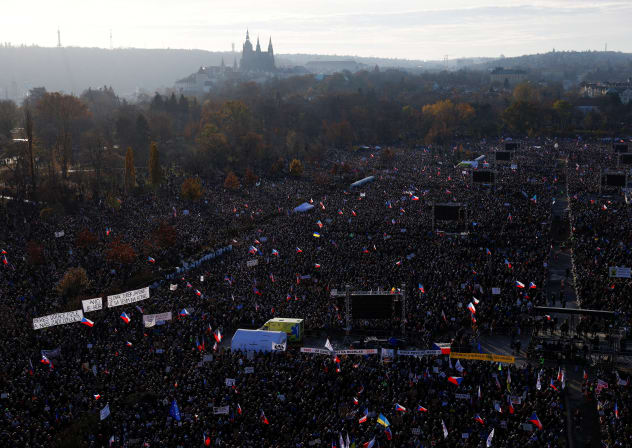
Tens of thousands rally in Prague against Babis plan to scrap public media fee
Organizers said the protest could be the largest since the 1989 Velvet Revolution, as critics compared the bill to Viktor Orban’s moves against Hungary’s media.

What to watch on TV: Israeli dramedy Nothing Happened, plus political dramas worth streaming
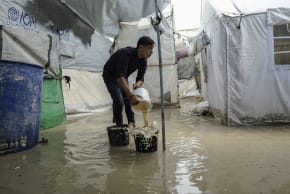
How Hamas shaped Gaza's winter flooding narrative: 'It was written before it rained' - exclusive

Laura Loomer made political posts for pay without disclosing, ex-Trump aide claims - report
Editor's Notes: Washington Post chose comfort over survival, now journalists pay price - comment
When 300 journalists lose their jobs at a once-great paper (as it announced on Wednesday), democracy gets darker.

Washington Post begins widespread layoffs, sharply shrinking storied newspaper's reach
The Washington Post launched widespread layoffs across nearly all departments, including international and Middle East coverage, as the paper restructures amid mounting financial losses.
Iran won information war by shutting down the Internet - opinion
Iran’s Internet blackout denied protesters access to information and helped the regime outmaneuver the US in the information war.

When war reporting turns into doxing, it risks lives and erodes trust in journalism - editorial
Publishing names tied to war crimes allegations without airtight verification is becoming a fast way to endanger people and erode trust in journalism.

Army Radio closure: High Court orders government to explain why decision should not be canceled
The High Court ordered the government to explain why its decision to close Army Radio should stand, focusing on the process used rather than the authority itself.

How media decides which deaths count and which events matter - analysis
How psychological warfare is waged not by lies but by deciding which events are allowed to matter.

Netanyahu dismisses ‘Walla’ coverage claims as sarcastic banter in continued cross-examination
The hearing, part of the bribery, fraud, and breach of trust case centered on the Bezeq-Walla affair, focused largely on Netanyahu’s relationship with former owners of the Walla news site.

Chaim Malespin builds Israel’s global brand via media strategy, academia, and economic diplomacy

How one NGO is using AI to change how antisemitism is monitored
Created in 2012 in a collaboration between Hungarian Jewish communities and civil society groups, the Action and Protection Foundation (TEV) began operation in 2013.

How lies became weapons in the war on the West - opinion
From Soviet propaganda to Qatari petrodollars, the long campaign to destabilize the West has relied less on armies and more on narratives
