Depression
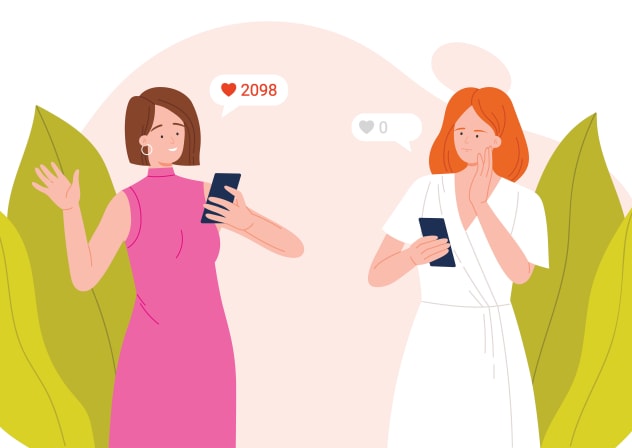
Why do we constantly compare ourselves to others? The psychology behind the comparison trap
In many ways, comparison is simply part of how the human mind organizes social reality. It helps us understand where we stand, what we might strive for, and how we relate to others.

Antidepressants don't fix a chemical imbalance, so what do they do? - explainer

For babies to thrive, the mother must, too - opinion

Definium's LSD-based drug lowers anxiety in second successful late-stage study
Also in the north and south: Mor Institute expands access to innovative depression treatment
DEEP TMS offers new hope for patients with major depression where traditional treatments fail. Now available at Mor Institute branches in Ashdod and the Krayot.

IDF reservists seeking trauma treatment up 1000%, unit cmdr. tells 'Post' - exclusive
The amount of reservists seeking treatment for trauma jumped from 270 per year to around 3,000, according to IDF Lt.-Col. Uzi Bechor.

Gideon Igra: Men's mental health in times of war
Gideon Igra sits down with The Jerusalem Post's Studio Producer, Yuval Barnea.

Umami magic: Traditional Japanese diet linked to reduced depression risk, study finds
Participants following the washoku eating pattern were up to 20% less likely to experience depressive symptoms.

1 in 3: Women with menopause before 40 suffer from depression
Fertility-related grief and lack of emotional support identified as key contributors to depression among these women.

New Zealand approves medical use of psilocybin for depression treatment
'This is huge for people with depression who've tried everything else and are still suffering,' says Deputy Prime Minister David Seymour.

Overweight men more prone to depression from restrictive diets, new research shows
Study of 28,500 Americans finds men and those overweight may be especially vulnerable to negative effects of restrictive eating due to lack of essential nutrients.

Study: Kissing may spread depression and anxiety via bacteria between spouses
Researchers detected significant increases in symptoms of depression and anxiety in originally healthy spouses.

UCSF study: Social media use linked to 35% spike in kids' depression
Depressive symptoms increased by 35% as kids' social media use rose from 7 to 73 minutes per day over three years.

War increases postpartum depression, PTSD in pregnant Israeli women - study
Symptoms the women reported to have experienced include war-related nightmares, feeling constantly on edge or easily startled, and disconnected.
