Archaeology
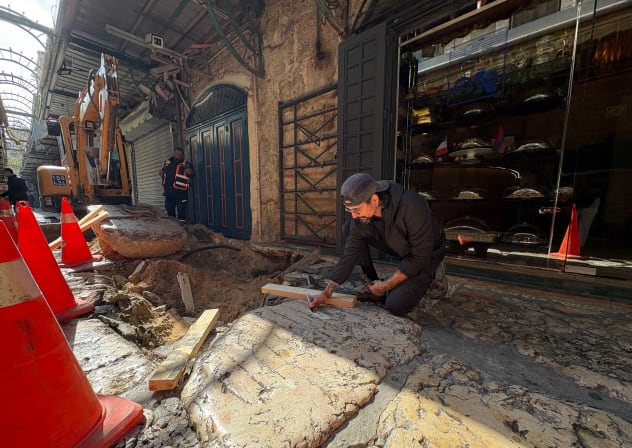
In historic first, Old City of Jerusalem’s Roman-era street to be made wheelchair accessible
Work on the Roman pavement of the Christian Quarter Road first began in 1977, carried out by the Jerusalem Municipality and PAMI as part of infrastructure improvements in the Old City.
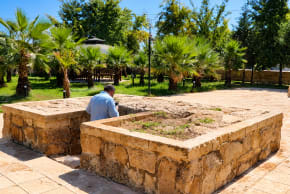
Jacob's Well in Turkey: The beginning of the Bible's first love story reopens to tourists
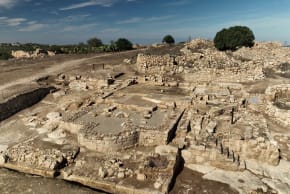
Ancient Bar Kokhba revolt-era hiding tunnels, Byzantine church reopened to public in Israel
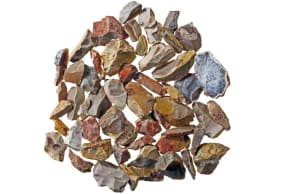
Collecting keepsakes may have helped autobiographical memory evolve in early humans, study suggests
Archaeologists discover rare 2,600-year-old stele of Assyrian king in Iraq's Nineveh
The stele has since been moved to the Inspectorate’s headquarters to undergo initial restoration work so that it can be studied in depth.

Inside the tragic, decades-long mystery of Qumran's lost Second Temple incense
The vast majority of material was lost after a 2025 murder. All that remains is a small amount of dust collected from the floor and a few samples preserved by the Jones family.

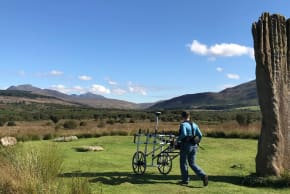
Hidden for millennia: Mystery ancient stone circle discovered beneath Scotland's Machrie Moor
Located on Arran’s west coast, Machrie Moor is a peat moorland where a large collection of Neolithic and Bronze Age archaeological finds, dating back to between 3,500 BCE to 1,500 BCE.
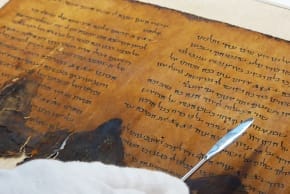
One of the Dead Sea Scrolls' greatest mysteries may have finally been solved by Israeli researcher
For decades, scholars have wondered if Qumran’s 364-day year calender had ever been used in practice or if it served only as a theoretical framework.
Coming full circle: Luxury watch belonging to Chabad rebbes found by hasidic children in Lyubavichi
The moving discovery came alongside a visit by Russia’s chief rabbi, Rabbi Berel Lazar, to the main summer camp outside Moscow.

Ancient structure near Stonehenge may have inspired its solstice alignment, archaeologists say
The site, believed to have likely served as a focus for religious gatherings, bears extensive evidence of feasting and large-scale gatherings.

Ancient tablet found at Roman fort in Netherlands bears Greek curse against enemies
The lead curse tablet found in the Netherlands was discovered by a team of Dutch archaeologists in a pit beneath the town hall square of the Roman military settlement of Coriovallum.

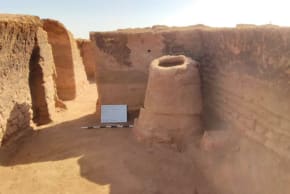
Mudbrick Byzantine city unearthed during excavations at Egypt's western desert oasis
The discovery helps “highlight the cultural diversity witnessed by the Egyptian oases throughout different historical periods," said Egyptian Tourism and Antiquities Minister Sherif Fathy.
'Once-in-a-generation' expedition sets sail to survey famed polar expedition ships
The targets of the new survey include Quest, a schooner-rigged steamship captained by Sir Ernest Shackleton, and Terra Nova, Captain Robert Falcon Scott’s whaler and polar expedition vessel.

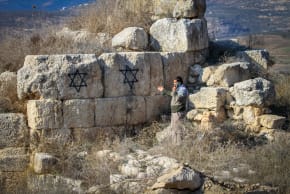
Hijacking history: How messianic extremists are weaponizing Israeli archaeology - opinion
Right-wing extremists have spent decades perfecting the use of archaeology to promote their messianic ideology and sabotage diplomatic efforts.