Archaeological Site
Ancient Bar Kokhba revolt-era hiding tunnels, Byzantine church reopened to public in Israel
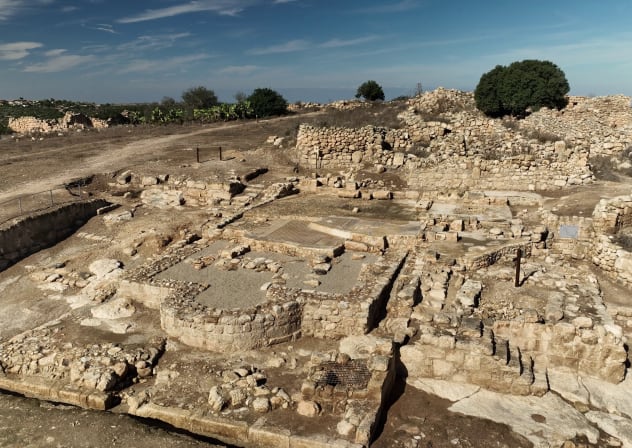
Researchers have proposed the settlement is that of Kfar Bish, a 1st century settlement mentioned first in the writings of Flavius Josephus.

Rare coin from reign of Norway’s King Olaf found for first time since 1924 among Viking hoard

American teenager finds 3,300-year-old scarab amulet during school trip to ancient Canaanite city
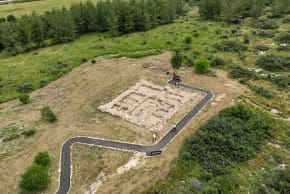
Ancient Canaanite fortress from time of biblical Book of Judges reopens in southern Israel
Greece reopens country’s only surviving Byzantine palace after over 40 years of restoration work
The palace dates back to they 14th century and served as the seat of the Despotate of Mystras, a province of the Byzantine Empire. It has been on UNESCO’s list since 1989.

Ancient jars unearthed at biblical Shiloh days before annual wine festival
In the Tanach, Shiloh served as one of the ancient Israelites’ central locations of worship and housed the biblical Tabernacle.

Ancient water reservoirs discovered at Red Sea's Port of Aydhab site near Egypt-Sudan border
Archaeological surveys of the site also revealed the foundations of residential buildings, watchtowers, and service facilities located nearby.

Collection of ancient Egyptian, Greek, Roman-era artifacts discovered at Egypt’s Heracleopolis
The finds include the ruins of a Roman basilica and Doric temple, the head of a marble statue of the Greek goddess Aphrodite, several cartouches, and molds used to mint coins in the Roman period.

First near-complete ancient Egyptian funerary set discovered at Heliopolis necropolis site
In antiquity, Heliopolis served as a primary religious center for the worship of Ra - indicated by the Al-Masalla obelisk of the Temple of Ra-Atum.

Evidence of ancient Native American life uncovered near Cape Canaveral Space Force Station
Researchers were working at the site as part of UCF’s Cape Canaveral Archaeological Mitigation Project (CCAMP).

Rare, intact ancient Roman burial unearthed during excavations in eastern Croatia - report
Previously, a total of 44 other Roman graves were discovered during excavations for the project, however the most recent find is the first to be fully undisturbed.

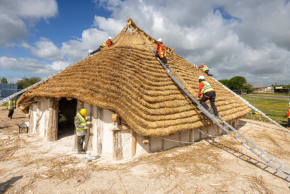
British heritage charity constructs replica of 4,500-year-old prehistoric building near Stonehenge
It is expected to be completed and open to the public by summer, before becoming in September a “living-history learning space for school groups."
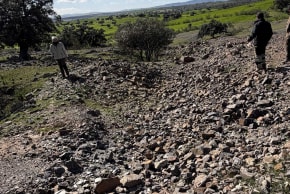
Six previously unknown Bronze Age mines found in Spain, some 150 more remain ‘undiscovered’
The six mines may help explain the source of the metal used in Bronze Age Scandinavian artifacts.
‘Lexden Lady,’ wealthy Roman woman buried in lead coffin, goes on display in UK
Her exact burial date is unclear, according to the Trust’s statement, but it was likely during the late Roman period - lasting from approximately the late 3rd century to early 5th century CE.
