
On Tuesday, several reports indicated that Iraq was closing the Mandali border crossing, which it shares with Iran. This move is part of the US’s campaign to pressure Iran by cutting off its land routes. Notably, Iraq is a key battlefield for Iran. Iran has influenced many militias in Iraq, and has carried out more than 1,000 attacks in Iraq since February.
Although Iraq closed one crossing, it opted to “reopen the Sheeb border crossing with its eastern neighbor after weeks of closure,” Rudaw media reported. “The moves come amid mounting US pressure on Baghdad to close most of its land border crossings with Tehran as part of Washington’s efforts to intensify economic pressure on the Islamic Republic.”
The border crossing is among the many conundrums that Iraq’s Prime Minister Ali al-Zaidi must consider. He came to power earlier this year after Iraqi elections in November 2025 left the country with months of uncertainty. Zaidi received support from US President Donald Trump and vowed to rein in the Iran-backed militias in Iraq.
Initially, Zaidi wanted the militias disarmed by September 2026, when US forces left Iraq. However, the militias stalled the process, and he allowed them to keep their weapons until June 2027.
Now, Zaidi is weighing whether to begin a wave of arrests against the militias. Kataib Hezbollah, a key Iran-backed militia in Iraq, has recently increased its rhetoric against Zaidi. In addition, the group may have masterminded the attack on the Khor Mor gas field in the Kurdistan region. If true, Iraqi leadership may be heading towards an important decision regarding the group and other militias.
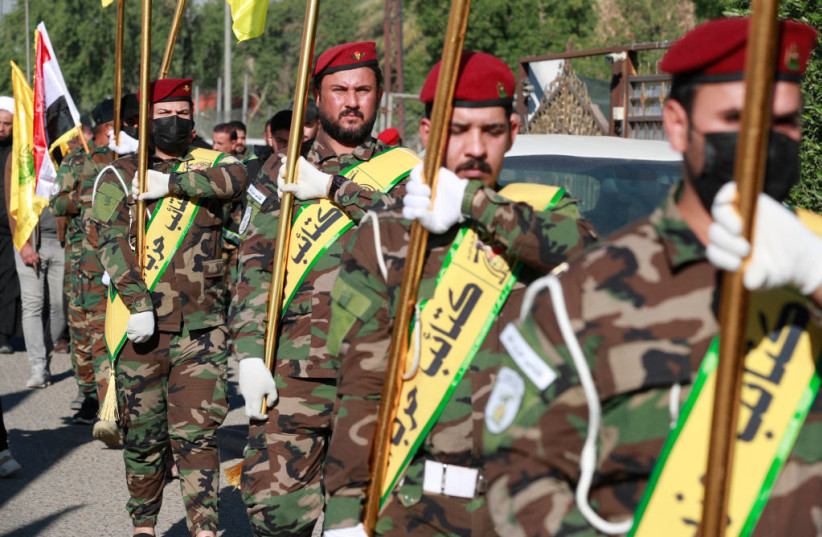
Zaidi weighing arrest campaign against Iran-backed militias
However, Zaidi apparently paid Iran a visit in recent days. An Iranian delegation went to the Kurdistan region of northern Iraq for a meeting. Iran’s new ambassador to Iraq will be from its IRGC.
This demonstrates that Iran’s policy towards Iraq will be heavy-handed and forceful. Iran, in essence, views Iraq as an extension of itself. Iran works through Shi’ite proxies in Iraq and the Coordination Framework in its parliament (which is also a group of Shi’ite parties).
Iran also works through the militias that it backs, and in many cases, these militias are acting parties in Iraq’s parliament. This is the Iranian model for its proxies in Yemen and Lebanon as well.
Iran often successfully outplayed other Iraqi leaders
This week, Zaidi faces an important question: will he continue to mount pressure against the militias, or will he back down? Iran has often outplayed Iraqi leaders – either by co-opting them or threatening them.
In the past, Iran used its militias to threaten Iraqi ministers. When the militias don’t get what they want, they employ kamikaze drone attacks or other means to intimidate their adversaries. They are also willing to ruin Iraq’s economy to get their way. The attack on the Khor Mor gas field shows their willingness to strike at strategic infrastructure. They have no regard for the harm that they inflict, whether it’s to economic infrastructure or to the lives of millions of citizens who rely on it every day.