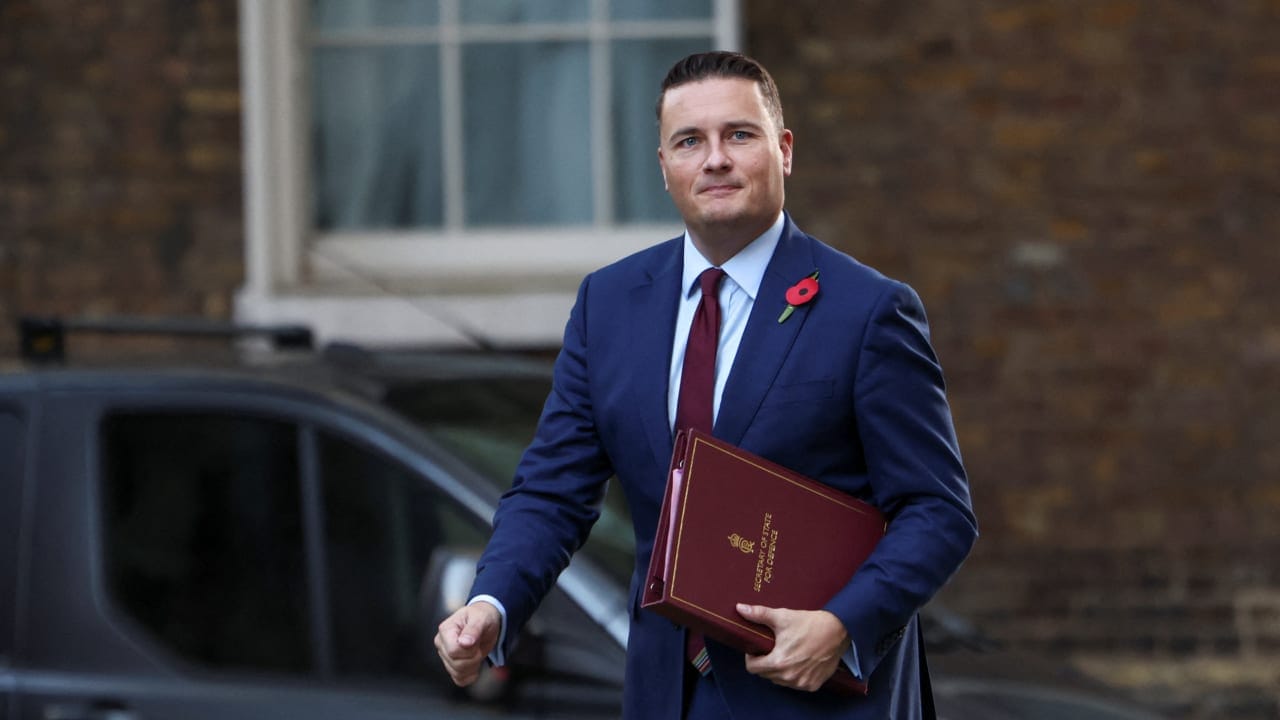
Britain would prefer to have additional channels of communication with Russia, particularly at a military-to-military level, to reduce the risk of miscalculation, British defense minister Wes Streeting said, according to a Financial Times interview published on Tuesday.
"We have our embassy in Moscow. That is an important channel ... I would much prefer there to be additional channels too, particularly military-to-military level," Streeting told the FT.
"There is always a risk of miscalculation, and that's why having that direct communication is important," he said.
Russian, Ukrainian officials set to meet for US-brokered talks
Streeting's comments come as Russian and Ukrainian officials planned to meet on Tuesday for two days of US-brokered talks - their first since February - after US President Donald Trump suggested last week that a broad peace deal was possible in their 4-1/2-year-old war, which could incorporate Europe's security.
Relations between Moscow and most European capitals, including London, have been frozen since Russia's February 2022 invasion of Ukraine.

However, the foreign ministers of Russia and Germany met in New York on the sidelines of the UN General Assembly in September in the first such talks since the invasion.
Last week, British Prime Minister Andy Burnham said that Russian President Vladimir Putin will not travel to a G20 summit in Britain because of UK sanctions against him.
Britain to invest £90 million in drones, sensors to counter Russian undersea threats
Meanwhile, Britain said it would spend £90 million ($121 million) on drones, sensors and artificial intelligence systems to help the Royal Navy counter Russian undersea threats in the North Atlantic and protect critical infrastructure.