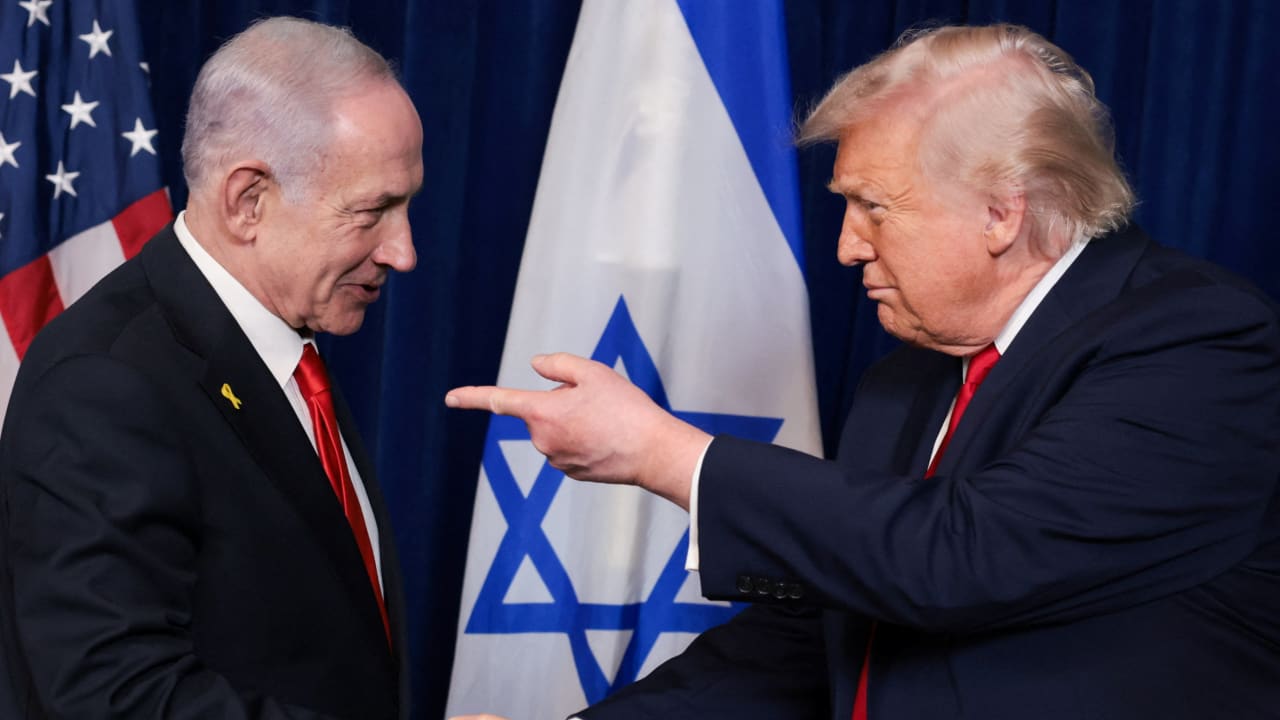
Prime Minister Benjamin Netanyahu personally proposed ending nearly $4 billion in annual American assistance to Israel, US President Donald Trump claimed on Tuesday, announcing a potentially consequential shift in US-Israel relations on the morning of the American midterm elections.
In a telephone interview with Fox News' Fox & Friends, Trump said the two leaders had reached an understanding several months ago under which the assistance would end by December 2026. Israel would remain free to purchase American weapons, and could receive additional assistance if necessary.
The hosts repeatedly pressed Trump to clarify whether he was referring to military aid, direct financial assistance, or weapons deliveries. He maintained that the arrangement would come to an end in December, without offering further details.
Trump also outlined the political rationale behind the move, arguing that ending US assistance would deprive Democrats of one of their most effective arguments against Republicans, particularly in Michigan, where support for Israel has become a central issue in a fiercely contested Senate race.
But Trump's announcement raises a significant question: What happens to the existing US-Israel military assistance agreement, which commits Washington to providing $38 billion in military aid over the 10-year period ending in 2028?
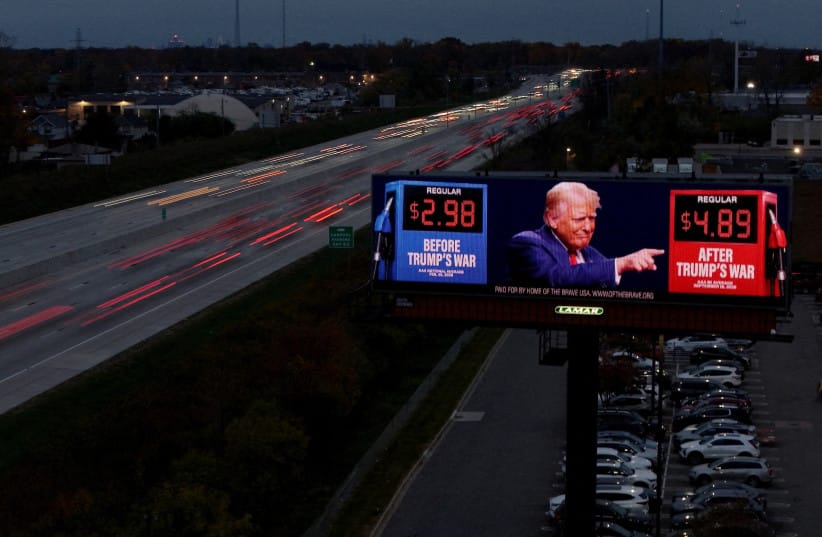
Trump: Netanyahu brought up idea of ending aid to Israel
Eventually, Trump offered his most revealing clarification: Netanyahu, he said, was the one who raised the idea. “Can I be honest with you? He brought it up. He brought it up,” Trump said. According to the president, Netanyahu told him: “I think it would be appropriate if we do not receive aid.”
The exchange began when one of the Fox & Friends hosts asked Trump about rising antisemitism and the erosion of support for Israel, particularly among younger voters.
The interviewer specifically mentioned Abdul El-Sayed, the Democratic Senate nominee in Michigan, who has sharply criticized US military assistance to Israel and made the issue part of his election campaign.
Trump initially emphasized the strength of America’s partnership with the Jewish state.
“Well, first of all, I have a tremendous relationship in terms of partnership with Israel,” he said. “We have a tremendous fighting force to keep the Middle East. Like, look at the Middle East. I have total control. We do it. We have a helper, and it’s Israel because, you know, we are the big, they are the small.”
Trump then blamed immigration policies under former US president Barack Obama for the spread of antisemitism in the United States, alleging that large numbers of immigrants from the Middle East had brought anti-Jewish hatred into the country.
He offered no evidence establishing the connection he asserted between immigration and antisemitism, and his broader claims about the treatment of Christian and Muslim immigrants under Obama were similarly unsupported in the interview.
Then, almost in passing, he turned to US assistance to Israel.
“Now, as far as paying Israel, Bibi Netanyahu and I have made a deal that we give Israel $4 billion a year, and we made a deal months ago that we’re stopping,” Trump said.
He added that the Israelis were comfortable with the arrangement because Israel had become economically successful.
“We won’t be paying Israel anymore,” he said, adding that the two sides had already agreed that “by the end of this year we won’t be paying Israel.”
Trump stressed that the decision would not mean abandoning Israel. “Now we’ll help Israel if they need it. You know they’ve been a great ally,” he said.
The statement immediately prompted a question from one of the interviewers. “So, Mr. President, you’re saying you’re not giving them $4 billion worth of weapons?”
American strike on Iran's Qeshm island was 'small,' Trump says
Trump did not answer directly. Instead, he shifted to a lengthy description of American military control over the Strait of Hormuz and the performance of US forces during the conflict with Iran.
“We have total control of the Hormuz Strait. Total control of the Hormuz Strait. Nobody thought that was possible,” he said.
He continued praising the US Navy, American missile defense systems, and the technological capabilities of the US military.
Later in the interview, Trump was asked what might happen in Iran following Election Day.
The president said he was not seeking to kill large numbers of people but warned that the United States could expand military operations if necessary.
He also said American forces had conducted a limited strike the previous night against an Iranian air-defense facility.
“We took some out last night. Just a minor attack. It wasn’t war,” Trump said.
According to the president, Iran had spent approximately two months constructing the facility before US forces destroyed it. “We watched it get built. As soon as it was completed, we hit it last night very nicely,” he said.
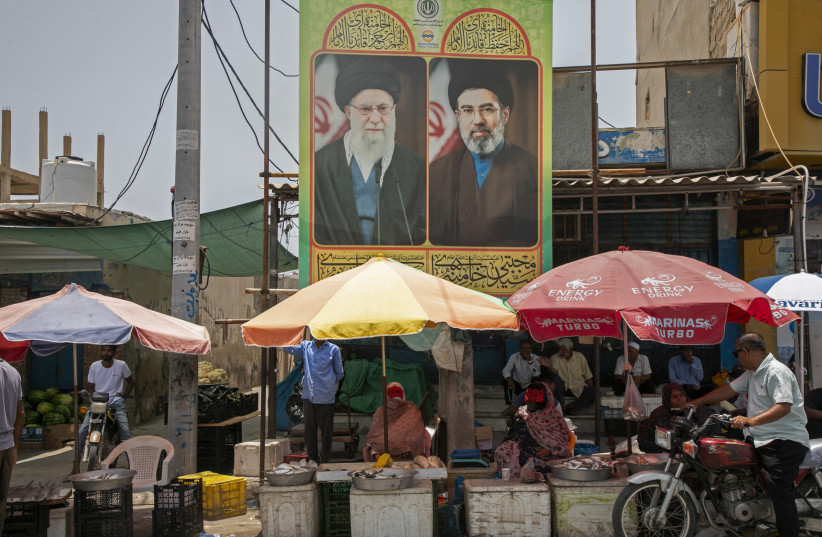
'We give Israel more than anyone else, but they no longer need it'
The Fox hosts, however, had not forgotten his earlier announcement about Israel. After an extended discussion of the elections and key Senate races, they returned to the issue.
“Right, Mr. President. I just want to clarify something you said earlier. When it comes to Israel aid, we understand we’ve cut off aid to Israel. We were giving them $4 billion, and you’re no longer going to be giving them $4 billion.”
Trump corrected the tense but confirmed the timeline. “We were giving them $4 billion. We are, but it gets cut off at the end of the year.”
“Why?” the host asked. “Why? Because they don’t need it, Brian,” Trump responded.
He then connected the issue directly to the political attacks faced by Republicans. “And because why should we suffer the slings from lunatics like an El-Sayed when they don’t need it?” he asked.
“It’s a bad talking point because when you say, ‘Why don’t we give everybody $4 billion?’ Israel’s our number one. We give them more than anybody else, and they no longer need it.”
“We’ve been doing it for years. I’ve been doing it, but Israel is a very thriving country. They don’t need it. If they did need it, I would say keep it going.”
‘I’m sorry for not knowing this. Do you mean military aid or a check?’
One of the Fox hosts remained uncertain about the scope of the decision and pressed Trump again.
“Can I just ask again? I’m sorry for not knowing this, but do you mean $4 billion in military aid? Actually, hardware is being cut off? Do you mean $4 billion, as in a check?”
Trump’s answer suggested that he was referring broadly to the value of American assistance, without distinguishing between its various components.
“I’m giving four in any way you want to define it. You can consider it barter. You can consider military aid or cash. What we give them, $4 billion of things and money, and they don’t need it.”
Trump said that his broader ambition was to balance the federal budget, before moving into a criticism of the Federal Reserve and its interest-rate policies.
He argued that lower interest rates would make it easier for the United States to move toward a balanced budget.
Trump says ending Israel aid would remove Democrats' 'best talking point'
Trump embraces the political argument: ‘The best talking point’ for the left
Toward the end of the interview, one of the hosts again returned to Israel, this time offering an interpretation of the political logic behind Trump’s announcement.
“Mr. President, just to put the button on this, because I think I understand your thinking on this, the left has used the Israel relationship, our great partnership. They’ve weaponized [it] against all our candidates, and you’re saying we’re still close with Israel, but we’re going to remove this talking point.”
Trump enthusiastically embraced that formulation.
“I want to say that it’s great, great word usage. Talking point, the best talking point that these lunatics have on the left.”
He argued that opponents of US assistance to Israel had used its annual cost to portray American foreign policy as unfair to domestic taxpayers.
“The left uses the $4 billion payment that everybody knows about, it’s no secret, as a signal of unfairness, and we can’t allow that to happen,” Trump said.
“I don’t like that because, you know, it’s too easy. It’s almost too easy a target.”
Trump then returned to Michigan, where El-Sayed is running against Republican Mike Rogers in one of the closely watched contests that could determine control of the Senate.
“When you see their rallies, when you see this lunatic that’s running in Michigan, he talks about the money that we pay them all the time,” Trump said.
“He says, ‘Why are we giving Israel $4 billion?’ You take that off the table. They don’t need it.”
The president then claimed that his approval rating in Israel stood at 99%, joking that he might move to Israel and become prime minister if Americans ever grew tired of him.
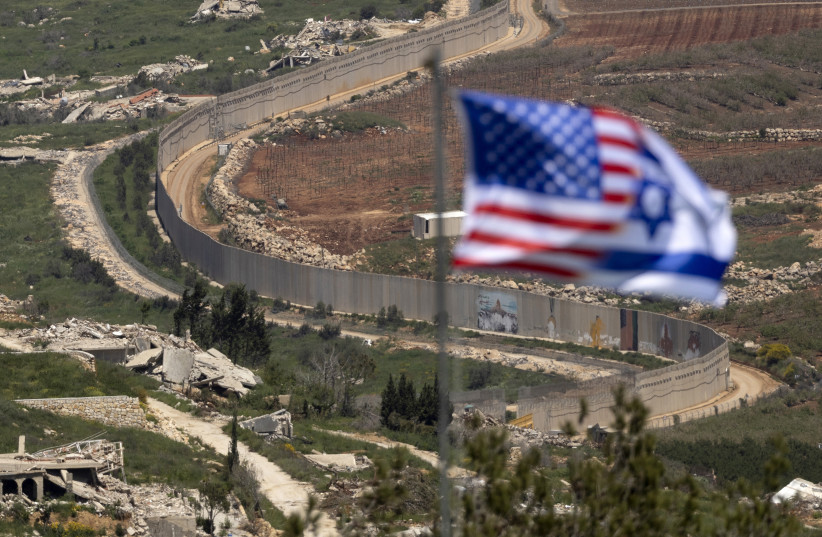
Israel can still buy American weapons, Trump says
Another crucial question remained: Would the alleged decision to end American assistance also mean stopping weapons sales to Israel?
The Fox hosts raised the issue directly. “Are you giving them the options to buy the weapons from us still?”
Trump answered without hesitation. “Oh yeah, they can buy whatever they want. They can buy whatever they want. So can Europe.”
He then praised the US defense industry, saying American manufacturers were building new production facilities for Tomahawk missiles, Patriot air-defense systems, THAAD interceptors, and other advanced military equipment.
According to Trump, companies including Lockheed Martin, Boeing, and Raytheon were expanding production capacity in response to his administration’s demands.
The distinction he drew is significant.
Trump was describing an end to the annual assistance package, not a termination of defense cooperation or a prohibition on Israeli purchases of American military equipment.
Whether that distinction can be implemented as presented, and how it would affect existing weapons procurement contracts, remains unclear.
Existing US-Israel aid agreement runs through 2028
Trump’s announcement raises substantial questions because the current framework for US military assistance to Israel is governed by a 10-year memorandum of understanding signed in 2016 under the Obama administration.
The agreement covers fiscal years 2019 through 2028 and provides for $38 billion in military assistance over the decade.
Under its terms, Israel is expected to receive $3.3 billion annually in Foreign Military Financing and another $500 million per year for cooperative missile-defense programs.
That amounts to $3.8 billion annually, the figure Trump rounded to $4 billion.
The memorandum is not itself a legally binding treaty, and annual funding remains subject to congressional appropriations. An understanding between Trump and Netanyahu would therefore not, by itself, automatically cancel funding already authorized and appropriated by Congress.
It is also unclear whether the president was referring to the entire assistance framework, including the joint missile-defense programs, or whether some components would continue under separate arrangements.
No detailed implementation plan was presented during the interview.
Nevertheless, Trump’s claims did not emerge entirely without precedent.
In January, Netanyahu told The Economist that he wanted to phase out US military assistance to Israel over a decade.
He reiterated that ambition in a May interview with CBS News’ 60 Minutes, arguing that Israel had matured economically and technologically and should move from an aid-based relationship toward a partnership.
“I want to taper off American support for Israel to zero,” Netanyahu said at the time.
He added: “We’ve come of age.”
The distinction between those earlier remarks and Trump’s announcement on Tuesday is substantial.
Netanyahu had previously discussed a gradual transition over approximately 10 years. Trump now claims they agreed to terminate annual assistance by the end of 2026, just weeks away.
That dramatically accelerated timetable has not yet been independently confirmed by the Israeli government.
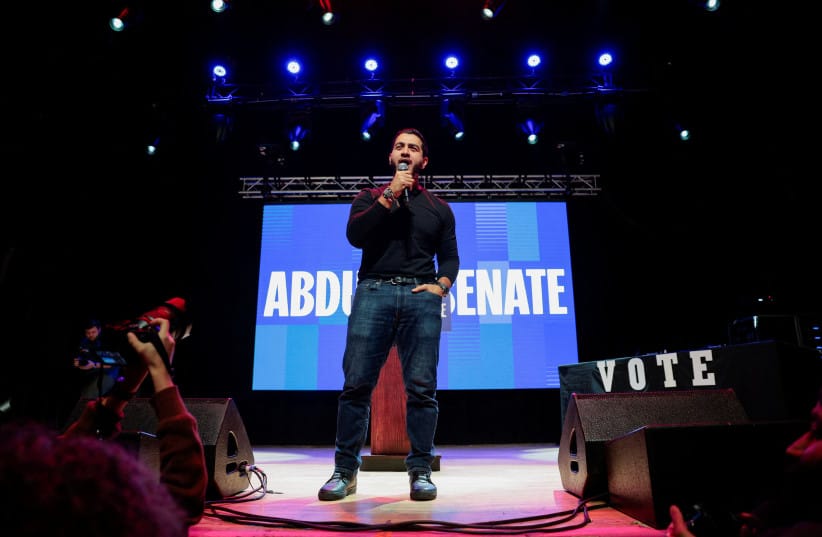
Michigan’s political test: Has Israel become an electoral liability?
The timing of Trump’s revelation is especially significant.
Americans are voting Tuesday in midterm elections in which Republicans are fighting to retain control of both chambers of Congress.
One of the key contests is in Michigan, where Republican Mike Rogers faces Democratic nominee Abdul El-Sayed for the Senate seat being vacated by Gary Peters.
El-Sayed has been an outspoken critic of Israel’s military campaign in Gaza, which he has described as genocide, an allegation Israel rejects.
He has also called for restrictions on US military assistance to Israel, and the issue has become a major source of controversy within Michigan’s Democratic Party.
Over the weekend, Democratic Representative Haley Stevens, who lost the party’s Senate primary to El-Sayed, announced that she would support Rogers instead.
Her decision followed a bitter dispute over an advertisement produced by an independent political organization supporting El-Sayed.
The advertisement linked America’s cost-of-living problems to US financial support for Israel.
Stevens condemned the advertisement as antisemitic. El-Sayed said his campaign had no involvement in producing it and that he disagreed with its content.
Trump has repeatedly attacked El-Sayed throughout the campaign, including in Tuesday’s interview, when he called him a “Muslim Brotherhood jihadist.”
The president offered no evidence supporting that allegation, which El-Sayed has rejected. Whether that argument will influence undecided voters on Election Day remains to be seen.
The diplomatic and financial question is more complicated: whether the United States and Israel have actually agreed to dismantle an assistance framework that has been a cornerstone of their security relationship for decades.
They will require clarification from the White House, the Israeli government, and potentially Congress itself.
However, one IDF source declined to respond, and another expressed surprise. Multiple Defense Ministry sources have not yet responded to repeated inquiries.
The Foreign Ministry also referred all questions to the Prime Minister's Office.
The entire defense, diplomatic, and finance establishments appear to have been caught by surprise, with all sectors waiting for Netanyahu to clarify the ramifications.
Yonah Jeremy Bob contributed to this report.