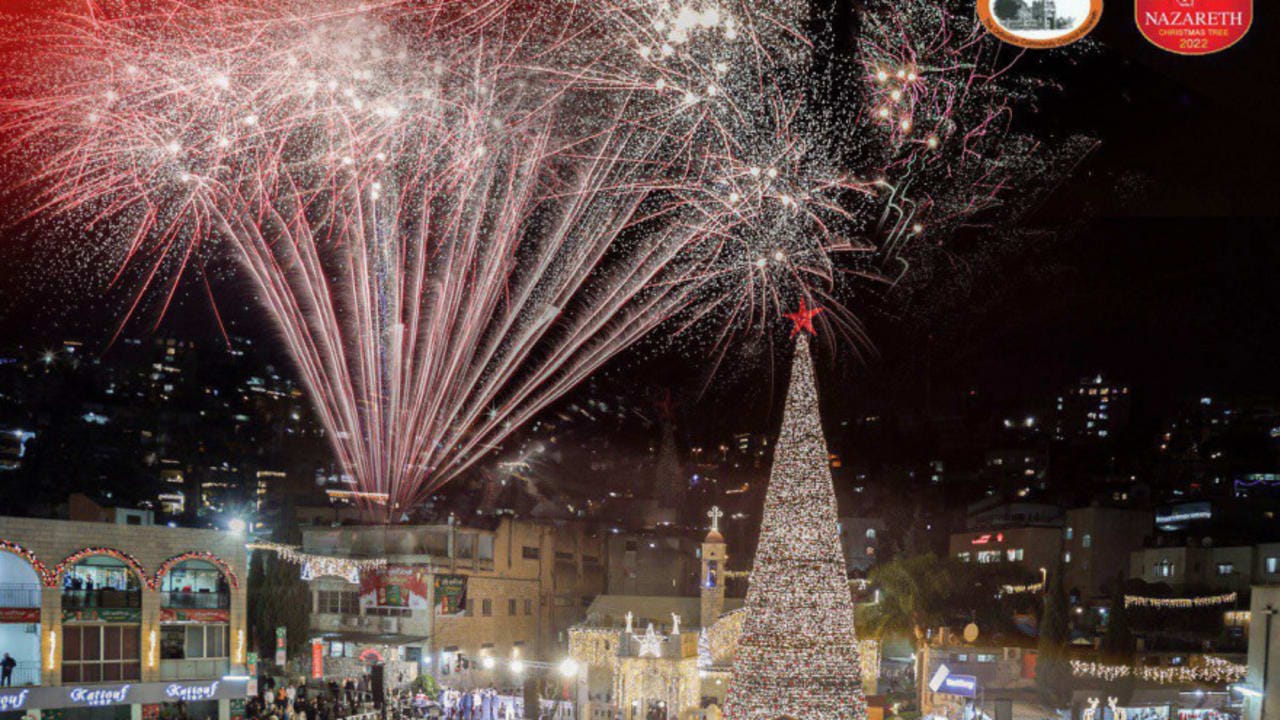
Outside Zahi Ghrayeb’s grocery store in Nazareth, workers are already busy decorating the Christmas tree. Inside, Ghrayeb is stocking shelves with chocolates, ornaments, and holiday goods, banking on the seasonal preparations to draw shoppers back through his doors. "The whole city is waiting for this," he says. During last year's Christmas season, domestic Israeli visitors toured the city, shopped, and even booked overnight stays, he recalls. "The city was vibrant, but only for a month - December. That’s not enough."
This year, the city is rolling out multiple hubs of Christmas markets, stalls, and performances across Nazareth. Khaled Buttu, director of the Nazareth Municipality's Department of Culture, Youth, and Sports, says dispersing the events is a deliberate strategy to encourage visitors to explore wider swaths of the city, wander through the alleys of the Old City, and patronize local restaurants and shops. Preparations have included coordinating closely with restaurateurs around the Orthodox Compound and updating business owners on schedules and upcoming street closures.
Markets, shows, and a 35-meter tree
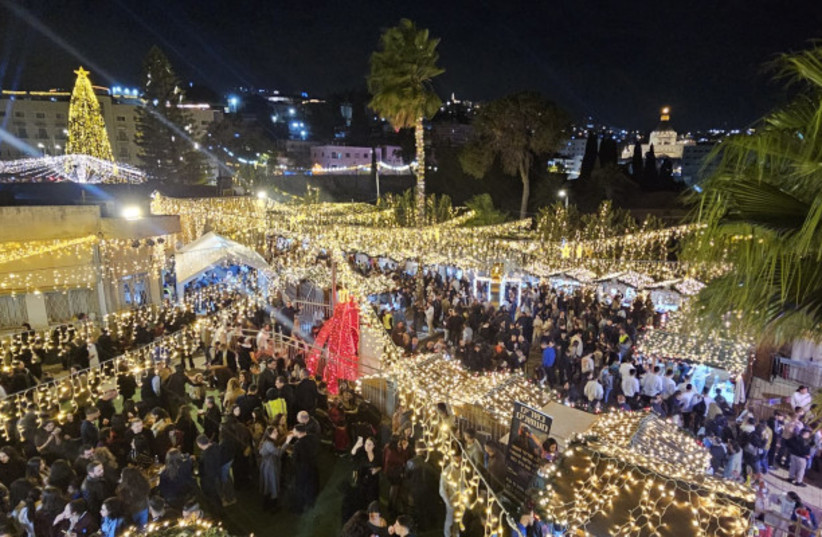
According to Buttu, festivities will kick off on November 26 with four evenings of performances in the courtyard of the Maronite Church, continuing throughout December across several venues. On December 2, celebrations will open at the Benedictus Compound - the Latin compound near the Galilee Hotel - with a tree-lighting ceremony. The venue will feature a Christmas market lined with stalls alongside a main stage hosting musical performances and activities for children and adults alike, designed, as Buttu puts it, to offer visitors a "European atmosphere."
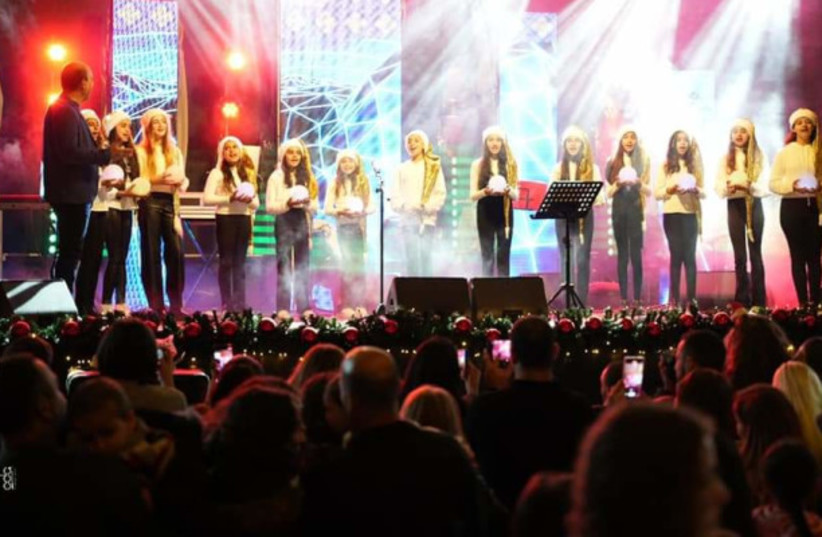
Held as part of the ninth edition of "Nights of the Child of the Cave," the Benedictus Compound events will run in two rounds - December 2–6 and December 10–13, from 5:00 p.m. to 10:00 p.m. Organized by the Al Mawkeb Nazareth Association in partnership with the Latin community, the program features school performances, children's activities, musical shows by local Scout movements, and artists accompanied by the Nazareth Orchestra, set around evening themes including "Christmas for All Generations," "Christmas Stars," and "Christmas Around the World."
Admission is priced at NIS 50 for visitors aged six and up, and NIS 10 for children aged three to six. Children under three enter free of charge.
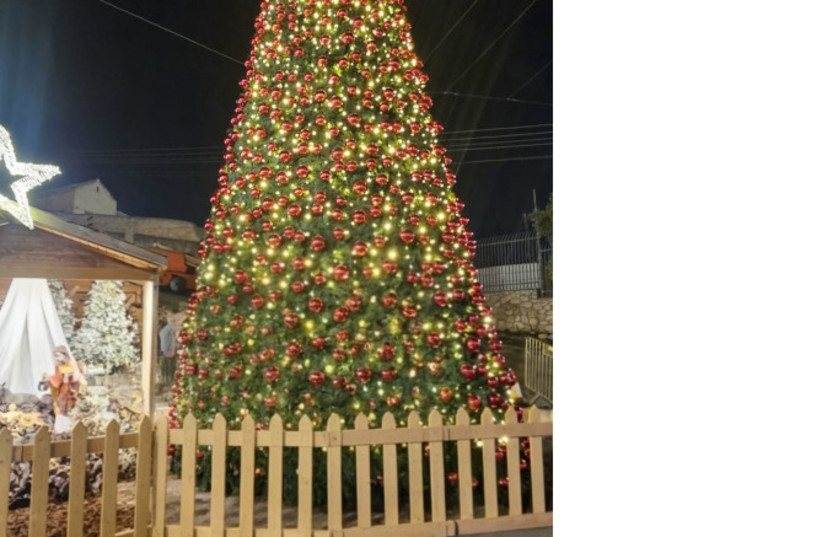
On December 6, the centerpiece Christmas tree adjacent to the Orthodox Church - which both Buttu and Ghrayeb describe as the largest in the Middle East - will be illuminated. Standing 35 meters tall and assembled from five sections, according to Ghrayeb, the tree will be surrounded by market stalls operating alongside nearby restaurants and shops until December 16, Buttu notes.
From December 16 through December 20, a third Christmas market will open in the Al-Mutran courtyard near The Moskubiyeh, complete with vendor stalls and a main performance stage.
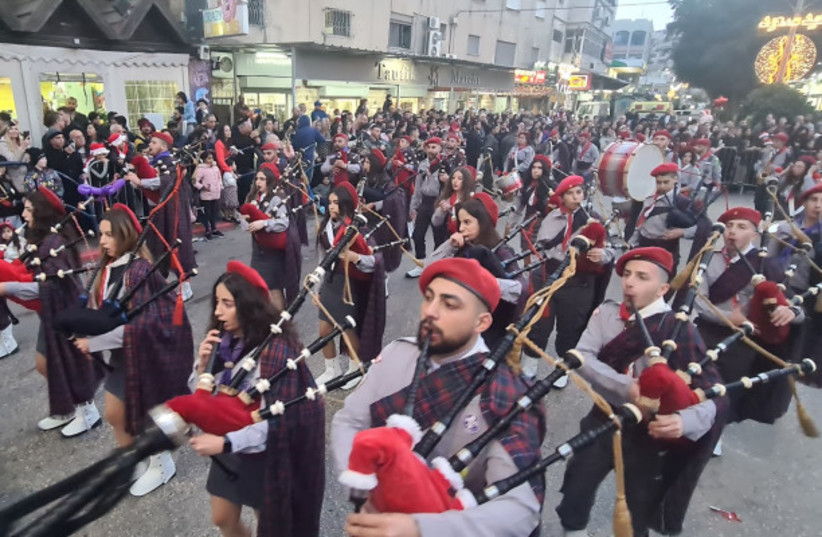
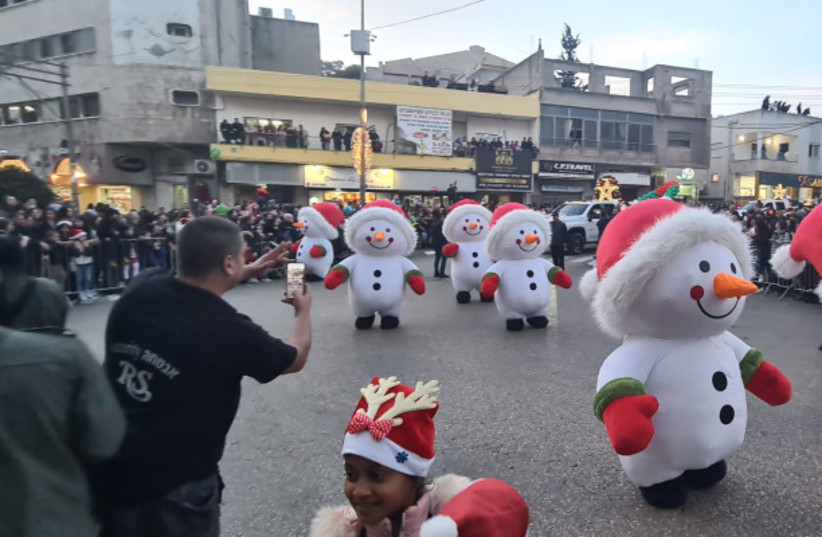
Beyond the markets, the musical The Little Match Girl will run at the St. Joseph Auditorium from December 17 to 19 at 8:00 p.m., with tickets priced at NIS 100. Then, on December 24 at 2:00 p.m., the 41st annual Christmas parade, the "March of Peace and Brotherhood," will wind along Paul VI Street to the Basilica of the Annunciation.
Even ahead of December's official launch, cultural programming is already underway in the Old City, with artists and local ensembles performing on Thursdays, Fridays, and Saturdays throughout November, according to Buttu.
'This city needs to thrive all year round, not just in December'
For Ghrayeb, whose storefront sits right next to the Orthodox Church, this is the season merchants wait for all year. His father opened the grocery in 1969; Ghrayeb, who grew up in Haifa and moved to Nazareth as a young man to care for his ailing father, stayed on, preserving the shop's vintage character. Alongside running the store, he is a connoisseur of Middle Eastern arak and hosts tasting workshops centered on the traditional spirit.
From his vantage point along the pilgrims' route leading into the Old City, he remembers when the street teemed with international tourists. Today, foot traffic is a shadow of what it once was - the result, he says, of a cumulative blow from the COVID-19 pandemic and the war, compounded by crime and racism that further deter visitors. "It’s like a chain - one thing affects the next," he says.
Even so, he notes that Israelis are still making the trip, stopping into his shop to praise the city, its cuisine, and its hospitality. For Ghrayeb, Christmas is an opportunity to remind visitors that Nazareth is a destination for every season: "This city needs to thrive all year round. As a tourist city."
Who pays for the holiday cheer?
A member of the Orthodox community, Ghrayeb notes that assembly of the tree outside his store is slated for November 29. He estimates the annual cost of the tree and its decorations at between NIS 350,000 and 400,000, emphasizing that the community shoulders the entire expense through private donations.
"Our community does this at its own expense. We put up decorations for the whole area out of our own pocket," he says. "We donate money to the church, and they handle it. There are respected people who even volunteer their work for free." While Ghrayeb states that the municipality provides no funding for the tree, Buttu characterizes the tree-lighting event as a collaborative effort between the Orthodox community and the municipality.
Buttu adds that he has begun seeing Jewish visitors return to the city. "They’ve started coming back. It’s encouraging," he says, though he acknowledges that in the Old City, "there still aren't many tourists." Local businesses and hospitality operators, he says, are eager to see visitors return to dine, tour, and stay overnight.
Meanwhile, the municipality is still waiting on the Tourism Ministry to finalize support for its promotional campaign. According to Buttu, the ministry signaled its intent to back the initiative, but no final approval had come through as of the time of the interview - stalling the rollout of a broad outreach campaign comparable to last year's. "What mattered to us was reaching both Jewish society and Arab society with a major campaign," he says.
'The state has forgotten Nazareth': The criticism behind the celebrations
Ghrayeb attributes much of the city's ongoing economic struggle to what he views as state neglect, driven by political calculations and discrimination against Israel's Arab citizens. "This state has forgotten Nazareth. Pushed it aside," he says. "It's because we're Arabs - I’m saying it openly. This is racism against the Arab population."
He questions why a city of Nazareth's historical stature is not more aggressively promoted abroad: "There is so much to see in Nazareth. It's a historic city. I don't know why they don't market it to the world." Religious considerations, he suspects, also factor into the equation. "That's what I think," he stresses. "Political and religious."
Still, inside his historic shop, he continues preparing for the holiday rush, hoping to see the street fill up once again. "When Israeli tourists come, they walk all around the city. They buy a wide variety of things, and that really puts the merchants at ease," he says, expressing hope that the momentum generated around the tree will endure well after the market stalls are packed away.
In central Nazareth, attorney Arab Shahbari opened the Yalanji restaurant on December 2, 2025, just ahead of last year's festivities. He says his debut holiday season brought strong foot traffic and brisk sales, and he is already fielding inquiries from organized tour groups. Ahead of this year's celebrations, he is investing in seasonal decor and design, noting that conversations with locals reveal a palpable lift in spirits despite persistent economic hardship. "I believe in my city, I believe in my people, I believe in the residents - that we will be the ones to bring change to this place," he says.
For Shahbari, sustainable recovery hinges on reviving tourism and rehabilitating the Old Market, where he grew up. "I walk in there and I cry. My childhood was spent there; I know what used to be there," he says. He advocates a step-by-step revitalization led by local business owners - starting with cleaning and painting before moving on to structural repairs and streetscape upgrades - while stressing that grassroots efforts require municipal and state backing. "I believe we can start slowly. Do some cleaning, then painting, then repairs." Until then, he is counting down the days to December: "I’m waiting for every moment until the start of December arrives, and I see joy on everyone’s faces."