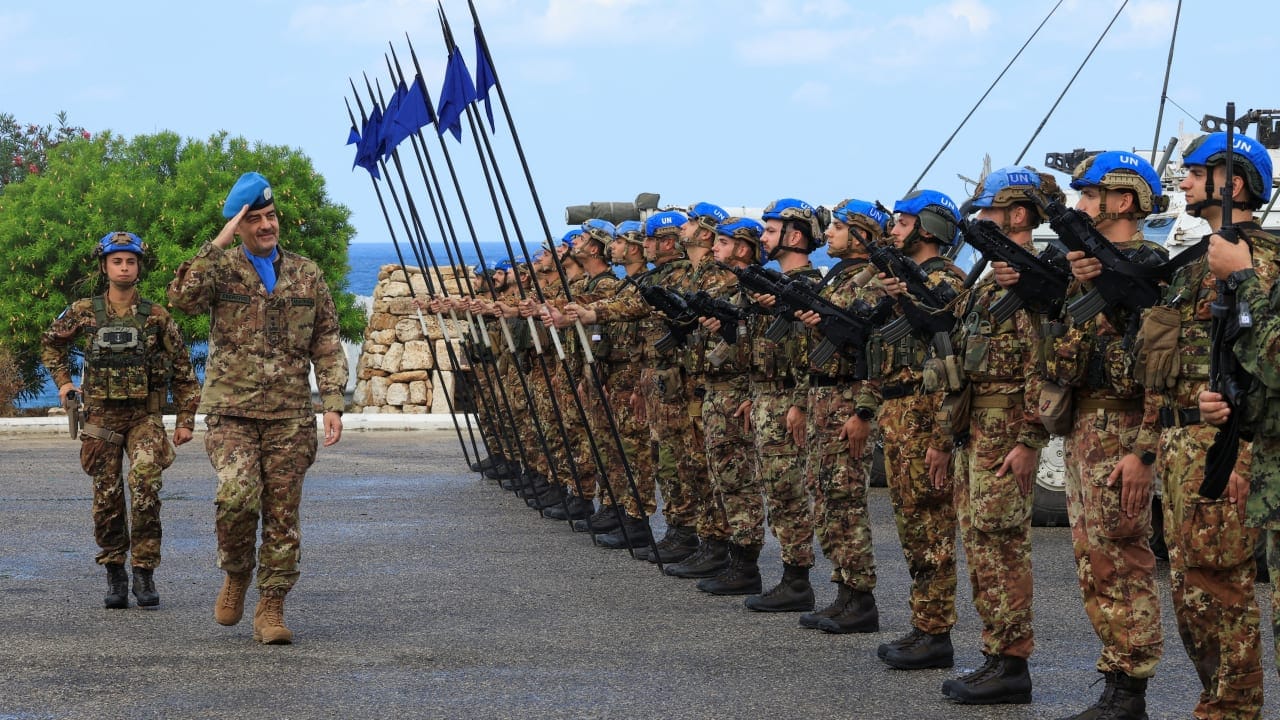
WASHINGTON, DC – Israel is expected to oppose initiatives promoted by French President Emmanuel Macron to establish a new European military force in southern Lebanon to replace the United Nations Interim Force in Lebanon (UNIFIL), a diplomatic source told The Jerusalem Post on Tuesday.
According to a report published Tuesday by Fox News, Macron is pressing ahead with a proposal for a multinational force potentially involving thousands of European troops to support the Lebanese Armed Forces (LAF) following the expiration of UNIFIL’s mandate.
Meanwhile, the Trump administration is exploring alternatives that may not require deploying additional military forces to the region.
The French initiative is already encountering resistance from Italy, one of Paris’s key European partners.
Italy, which previously joined France in supporting the creation of an international coalition after UNIFIL’s withdrawal, does not support deploying its troops under the proposal Paris has advanced, three sources familiar with the discussions told Fox News.
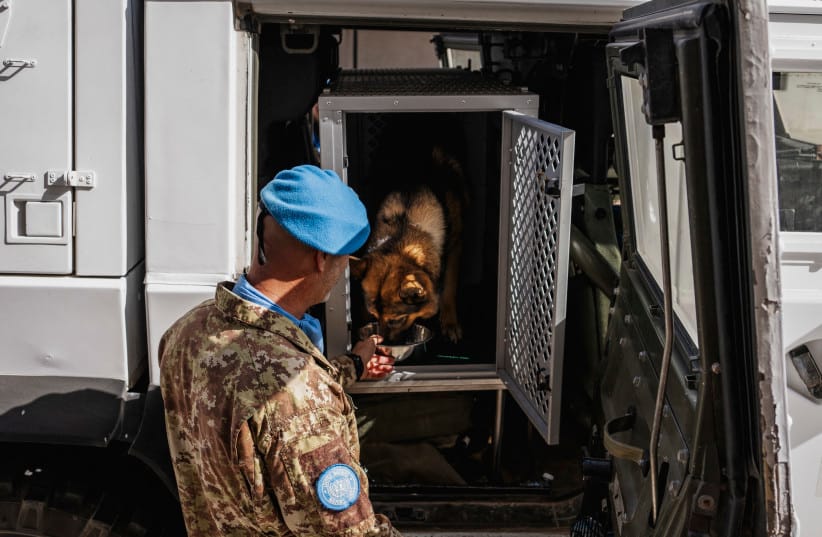
The Italian government has not publicly commented on the report.
The proposed force’s size, mandate, composition, and participating countries have yet to be finalized.
Israel’s anticipated opposition adds another obstacle to Macron’s initiative, particularly as Washington has emphasized that any new international monitoring arrangement in southern Lebanon must be acceptable to both Israel and Lebanon.
Rubio: A replacement for UNIFIL does not have to be military
US Secretary of State Marco Rubio said he had discussed UNIFIL’s future with Macron and said Washington does not necessarily believe another military deployment is required.
“It doesn’t have to be a military mission,” he said. “It could be a civilian mission.”
The US administration is working to establish a credible verification mechanism to oversee the implementation of security arrangements in southern Lebanon, Rubio said.
The proposed mechanism would monitor areas from which Israeli forces are expected to withdraw as Lebanese troops assume control, while ensuring that Hezbollah is prevented from returning, he said.
The American objective is to establish a reliable monitoring framework that can verify both sides are meeting their commitments, Rubio said.
US Ambassador to the UN Mike Waltz said Washington has no intention of preserving the existing peacekeeping mission in its current form.
“UNIFIL in its current form will not continue, and it must not continue,” he told Fox News.
“We are working with our international partners to draw down the mission, and ensure that the Lebanese people can choose their own future, and to ensure that the Lebanese Armed Forces can secure the nation’s future,” Waltz said.
The disagreement over UNIFIL’s future comes amid continuing difficulties implementing the US-brokered security agreement reached between Israel and Lebanon in June.
That arrangement links the gradual withdrawal of Israeli forces from designated areas of southern Lebanon to the deployment of Lebanese troops, alongside efforts to disarm armed groups and prevent Hezbollah from reestablishing its military presence.
Implementation has progressed slowly beyond the initial pilot zones, however, and talks in October ended without agreement on how to advance the process.
Under a UN Security Council resolution adopted in August 2025, UNIFIL’s mandate is scheduled to expire on December 31, followed by a phased withdrawal expected to be completed within one year.
According to Simone Rodan-Benzaquen, senior envoy for Europe at the Foundation for Defense of Democracies (FDD), replacing UNIFIL with another international military force risks repeating the shortcomings of the current mission.
“UNIFIL’s mandate should end as scheduled,” she told Fox News. “Hezbollah built up its military presence in southern Lebanon with international peacekeepers already on the ground.”
“Keeping troops there under a new mandate would repeat an approach that failed to prevent that buildup,” Rodan-Benzaquen said, adding that the US-brokered agreement between Israel and Lebanon should form the basis for future arrangements.
Macron pursues overseas military mission as France faces unrest at home
The French initiative is moving forward as Macron confronts growing political, economic, and social turmoil at home.
There have been widespread demonstrations across France in recent weeks, including violence and clashes with police, over rising living costs, stagnant wages, and deteriorating public services.
Hundreds of thousands of demonstrators took part in strikes and protests across the country last Thursday, Reuters reported.
While most demonstrations remained peaceful, clashes with security forces were reported in Paris and Lyon, the report said.
There were violent incidents on Tuesday amid student protests, including attacks on education workers and the burning of a school in southern France, it added.
The unrest has intensified pressure on the French government, which is already struggling to secure approval for its 2027 budget amid mounting public debt and deep political divisions.
Against that backdrop, Macron’s continued efforts to establish a new military presence in Lebanon have raised questions about France’s ability to commit personnel, funding, and military resources to another overseas operation, particularly without firm support from major European partners.
Concerns have also been raised in Washington and Jerusalem about the possibility of France serving as an independent monitoring authority overseeing Hezbollah’s disarmament, Fox News reported.
The emerging disagreement is not simply about which European countries might participate in a post-UNIFIL force, the report said.
It also centers on whether another international military deployment is necessary in the first place, and what authority any replacement mechanism would have to ensure that Hezbollah cannot rebuild its presence along Israel’s northern border.
For Israel, the central question is whether a new international arrangement would provide more effective security guarantees than those delivered by UNIFIL over the decades.