By the middle of last week, senior Israeli officials and their counterparts in the Gulf states had rarely appeared more divided over one question: What will US President Donald Trump decide regarding the war with Iran?
In Israel, the prevailing conclusion was that Trump was going to strike. “It’s not a question of if, but when,” senior Israeli officials said. Israel also raised its level of military alertness in anticipation of a potential attack.
In contrast, the consensus in the Gulf states was entirely different: “President Trump may threaten to strike, but he does not want to attack, and he will find a way to reach an agreement.”
Gulf officials advanced a compelling argument: Trump does not want oil prices to surge to $250 per barrel just months before the US midterm elections for Congress and the Senate in November. Avoiding a regional energy crisis, they argued, would remain a top priority.
As of Sunday, it appears that the Gulf officials were right.
Over recent weeks, leaders across the region – from the Gulf states to Israel – understood that President Trump had little desire to launch a military attack. However, in Jerusalem, the assessment was that negotiations would eventually reach a dead end, leaving no path to an agreement and making military action inevitable.

The Gulf states viewed the situation differently. Their growing assessment was that even if an attack did occur, it would likely be limited in duration – perhaps significant in scope, but not aimed at toppling the Iranian regime. Such an operation would allow the president to declare victory and move on.
The Gulf countries, meanwhile, understood that they would bear much of the immediate cost. Lacking defensive systems comparable to Israel’s Iron Dome and Arrow missile defenses, they could face missile and drone attacks against critical infrastructure, energy facilities, and water desalination plants.
Some might even be forced to respond directly to Iran. Yet in the end, the Iranian regime would remain in place, and they would be the ones left to deal with it.
Gulf States pressured Trump against attacking
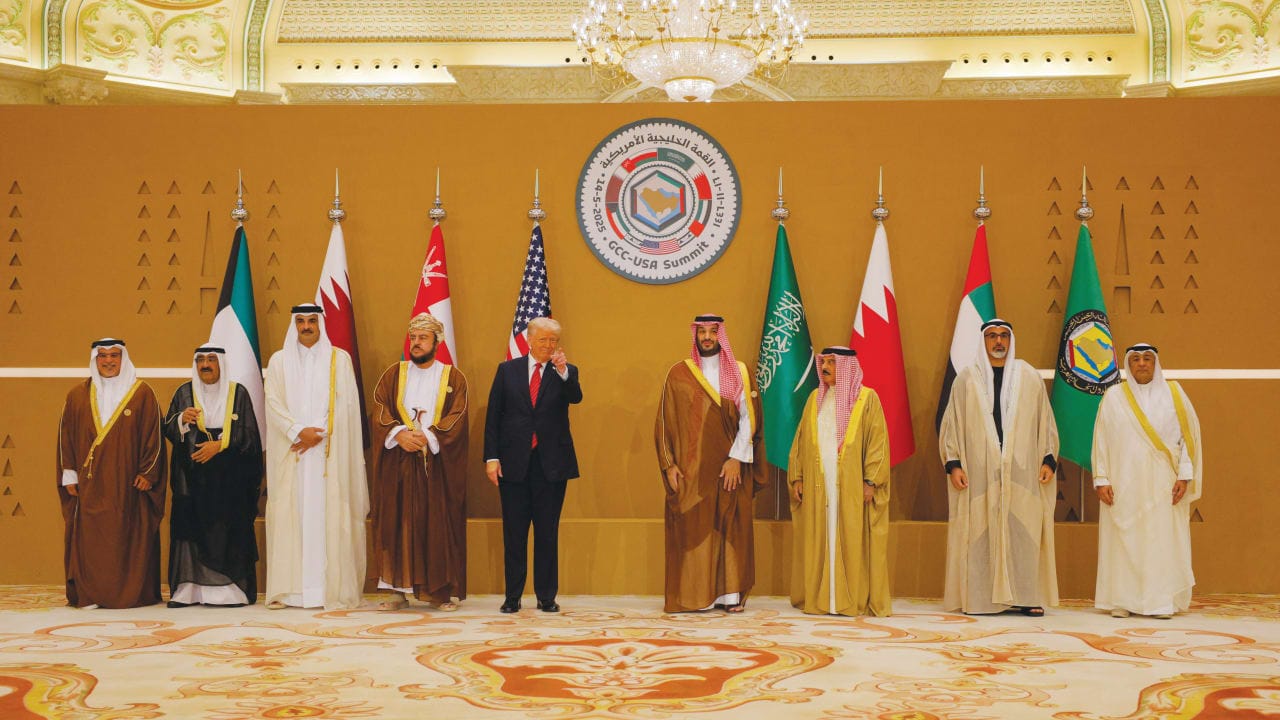
As a result, an informal coalition emerged – from Qatar to the United Arab Emirates – with a clear message for Trump: do not attack.
Some of these countries likely preferred that Trump continue his strategy of maritime pressure and economic sanctions against Iran. But the unifying message was unmistakable: exert maximum pressure on the American president to refrain from launching another military operation against Tehran.
Trump himself made a remark several days ago that has taken on greater significance in recent days: “If there’s a deal that’s good for the Gulf states, it’s good for me as well.” In other words, he had no intention of being more hawkish than America’s Gulf partners.
Under the emerging framework agreement with Iran, all US forces would remain deployed in the region, and Trump would retain the option of striking Iran should it violate the agreement or stall the negotiations.
But if the president was not genuinely interested in starting a war now, despite having no shortage of justifications, why would he choose to do so 60 days from now, on the eve of the congressional and Senate midterm elections?
Besides, there is always another option: he can simply post once again, “The deadline has been extended.”