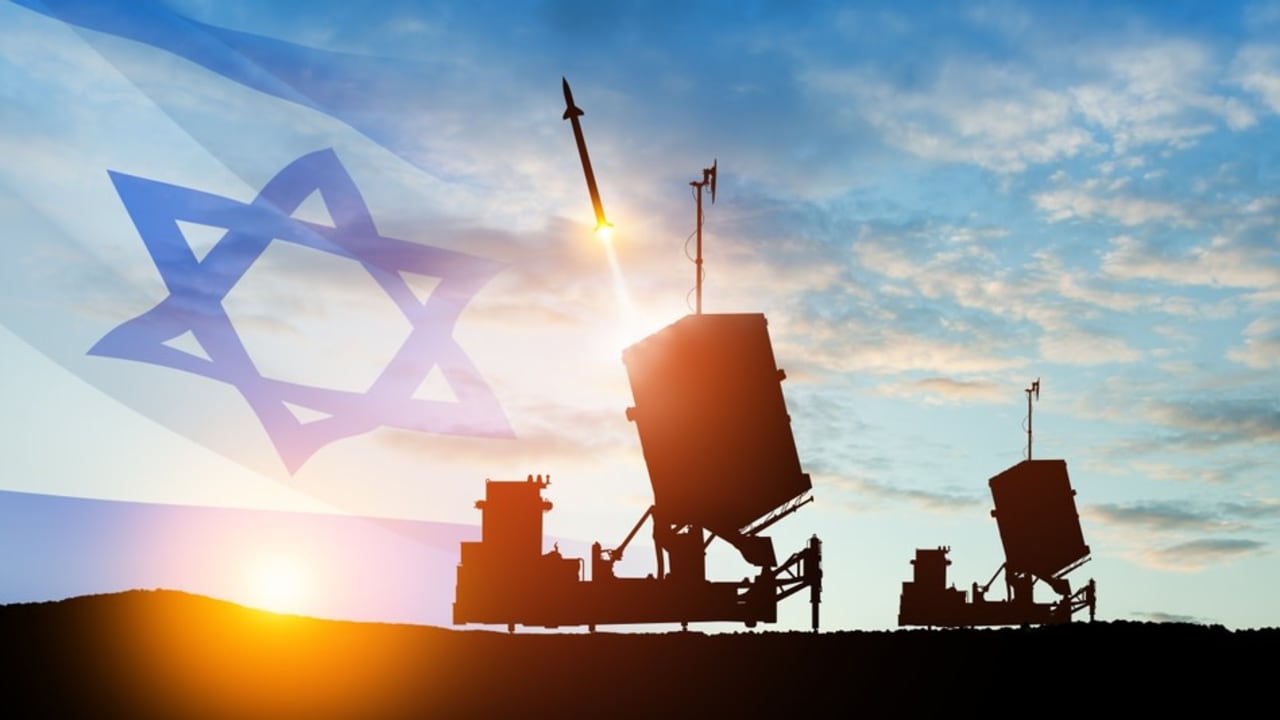
Israel’s defense industry has always punched above its weight. From Iron Dome to drone swarms, the country’s engineers turn battlefield problems into exportable products. But the sector now faces a different kind of pressure. Global demand shifts, supply chains tighten, and start-ups rethink their relationship with the military. Investors watch closely, because defense tech has become one of the most volatile yet rewarding markets on Earth. While some hedge their portfolios with high-risk ventures, others look for steadier entertainment options and ask themselves is Win Spirit casino legit? before placing a casual wager online. Either way, the money flows where the excitement lives.
The numbers tell a dramatic story. Israel’s defense exports hit a record $13 billion in 2023, according to the Defense Ministry. That figure represents a doubling over the past decade. Yet the real transformation lies beneath the surface. Traditional hardware giants like Elbit Systems and Israel Aerospace Industries now compete with hundreds of nimble start-ups backed by venture capital. These young firms focus on artificial intelligence, cyber warfare, and autonomous systems. They move fast, iterate quickly, and often sell directly to foreign governments. This shift from heavy metal to smart software changes everything about how the industry operates.
Key facts: Five numbers that define the new era
The sector’s evolution becomes clear when you examine specific data points. These figures reveal the speed and scale of change.
- In 2026, Israeli defense start-ups raised over $2.1 billion in venture funding, a 34% increase from the previous year, according to Start-Up Nation Central.
- The country exported $3.5 billion worth of cyber defense systems in 2024 alone, making cybersecurity the fastest-growing export category.
- Iron Dome intercepted over 5,000 rockets during the 2023 conflict, but its successor, Iron Beam, uses laser technology that costs $2 per interception instead of $50,000.
- Israel now hosts more than 600 active defense-tech companies, up from 200 in 2015, with nearly half founded after 2020.
- Autonomous drone manufacturers in Israel secured $800 million in contracts from European and Asian buyers during 2025, tripling their previous annual volume.
Why software now outweighs steel
The old defense model relied on massive production lines and decades-long contracts. That era fades quickly. Modern warfare demands rapid adaptation. Software updates can fix a drone’s targeting algorithm overnight. A tank’s armor, however, cannot be patched remotely. Israeli companies understand this advantage. They build platforms that improve through artificial intelligence, learning from every mission. Rafael Advanced Defense Systems, for instance, now embeds machine learning into its Spike missiles, allowing them to identify targets autonomously. This approach reduces operator workload and increases accuracy in complex urban environments.
The shift also changes who works in the industry. Young programmers fresh out of elite military units like Unit 8200 now choose start-ups over established corporations. They want equity, fast iteration, and the thrill of building something new. These engineers bring a different mindset. They treat weapons systems like software products, releasing updates every few weeks rather than every few years. This agility attracts international partners who grow frustrated with slow, bureaucratic suppliers elsewhere. Countries from Germany to India now seek Israeli tech precisely because it evolves quickly and integrates easily with existing platforms.
The start-up ecosystem turns defense into a hot commodity
Venture capital flows into Israeli defense tech like water through a desert canyon. Firms like Pitango and OurCrowd launched dedicated defense funds in 2024, each exceeding $200 million. They see parallels between military innovation and commercial technology. Both require rapid prototyping, user feedback, and relentless iteration. The risks, however, differ substantially. A bug in a banking app costs money. A bug in an autonomous vehicle’s targeting system costs lives. This distinction creates a unique culture where engineers test relentlessly and document everything meticulously.
The commercial crossover also works in reverse. Companies like Waze and Mobileye, both Israeli-born, developed technologies with military roots. Waze’s crowd-sourced traffic data originated from a security app that tracked vehicle movements. Mobileye’s computer vision systems evolved from military drone navigation. This synergy attracts investors who appreciate dual-use potential. A start-up might design a sensor for military drones, then adapt it for autonomous tractors or delivery robots. This flexibility makes Israeli defense tech a safer bet for investors who worry about defense spending cuts. The same technology can pivot to civilian markets when military budgets tighten.
Global competition forces constant reinvention
Israel cannot rest on its laurels. China invests heavily in military AI, and Turkey exports its own combat drones to dozens of countries. South Korea develops advanced artillery systems. These competitors learn from Israel’s successes and sometimes copy them openly. To stay ahead, Israeli firms must innovate continuously. They focus on areas where they hold clear advantages: AI-driven decision support, electronic warfare, and counter-drone systems. They also emphasize integration, building systems that communicate seamlessly across platforms and national borders.
This competitive pressure produces surprising partnerships. Israeli start-ups now collaborate with Gulf states that once refused to acknowledge Israel’s existence. The Abraham Accords opened doors for defense cooperation with the United Arab Emirates and Bahrain. These partnerships bring funding, market access, and operational insights. They also create diplomatic complexity, as Israel must balance its relationships with Gulf nations against its security commitments elsewhere. The result is a defense sector that operates less like a national industry and more like a global network of specialized innovators.
What the future holds for Israel’s defense innovators
The next decade will test Israel’s defense tech sector in ways previous generations never imagined. Hypersonic missiles, space-based sensors, and quantum computing will reshape the battlefield. Israeli companies already explore all these frontiers, but they face resource constraints. The country’s population of ten million cannot match China’s engineering workforce or America’s defense budget. Instead, Israel must remain smarter, faster, and more creative. That means doubling down on AI research, fostering closer ties between universities and industry, and maintaining the entrepreneurial culture that made the start-up nation famous.
The sector’s growth also depends on stability at home. Political turmoil, judicial reform debates, and regional conflicts create uncertainty that spooks investors. Yet the industry has weathered similar storms before. The 2023 war, for example, actually accelerated demand for Israeli systems as countries observed their effectiveness in real combat. This paradox defines Israeli defense tech: Crisis creates opportunity. The companies that survive and thrive are those that adapt quickly, maintain strong relationships with the military, and keep their eyes on the global market. For those, the future looks remarkably bright.
The takeaway is simple. Israel’s defense technology sector no longer just builds weapons. It builds the digital nervous system of modern warfare. From AI-powered targeting to autonomous logistics, Israeli innovation shapes how militaries operate worldwide. The industry’s transformation from heavy industry to software-driven agility mirrors broader changes in the global economy. Those who adapt will lead. Those who cling to old methods will fade. Israel intends to lead, and its defense entrepreneurs are betting everything on that vision.
This article was written in collaboration with James Evans